

By Neha Joshi
Most Americans do not have a “money problem” as much as they have a money visibility problem. A few subscriptions, takeout orders, fees, and impulse buys can quietly drain hundreds of dollars a month before you even notice.
The good news: you do not need a six-figure salary to start saving fast. You need a short-term plan, a few ruthless cuts, and a system that makes saving automatic.
| Money-Saving Move | Typical Monthly Savings | Speed |
|---|---|---|
| Cancel unused subscriptions | $20–$150 | Same day |
| Meal plan and reduce takeout | $150–$500 | 1 week |
| Shop insurance and phone plans | $30–$200 | 1–3 days |
| Use cash envelopes for problem categories | $50–$300 | Immediate |
1. Start With Expense Tracking for 7 Days
If you want to save money fast, do not start by guessing. Start by tracking. Write down every single dollar you spend for one week: coffee, gas, groceries, Amazon orders, delivery fees, subscriptions, parking, snacks, and tips.

You can use a notes app, spreadsheet, budgeting app, or a simple budget planner (check current price on Amazon). The goal is not to shame yourself. The goal is to find the leaks.
- Check your bank and credit card statements.
- Highlight non-essential purchases.
- Circle anything that repeats monthly.
- Separate needs, wants, and “I forgot I was paying for that.”
This is usually where people find fast savings hiding in plain sight.
2. Create a “Fast Savings” Budget
A normal budget tells your money where to go. A fast savings budget is more aggressive. For the next 30 days, your goal is to protect essentials and pause everything that is not urgent.
Use the 4-bucket method
- Must-pay: rent/mortgage, utilities, minimum debt payments, insurance.
- Must-use: groceries, gas, basic household items.
- Temporary cuts: restaurants, shopping, entertainment, upgrades.
- Savings: emergency fund, debt payoff, moving fund, travel fund, or down payment.
If you want a deeper personal finance system, check out this guide to building better money habits.
3. Automate Savings From Your Salary
The easiest way to save money from salary is to move the money before you can spend it. Set up an automatic transfer on payday to a separate savings account.
Start with something realistic:
- $25 per paycheck if money is tight
- $50–$100 per paycheck if you have some room
- 10%–20% of take-home pay if you want aggressive savings
Do not keep your savings in your checking account. If it is easy to spend, it will probably get spent. Use a separate high-yield savings account when possible.

4. Cut Food Costs Without Eating Like a College Student
Food is one of the fastest places to save money in the USA because restaurant prices, delivery fees, and grocery inflation add up quickly.
Try this 7-day food reset
- Eat what is already in your pantry and freezer.
- Plan 3 simple dinners you can repeat.
- Buy store brands instead of name brands.
- Use curbside pickup to avoid impulse buys.
- Pause DoorDash, Uber Eats, and restaurant lunches.
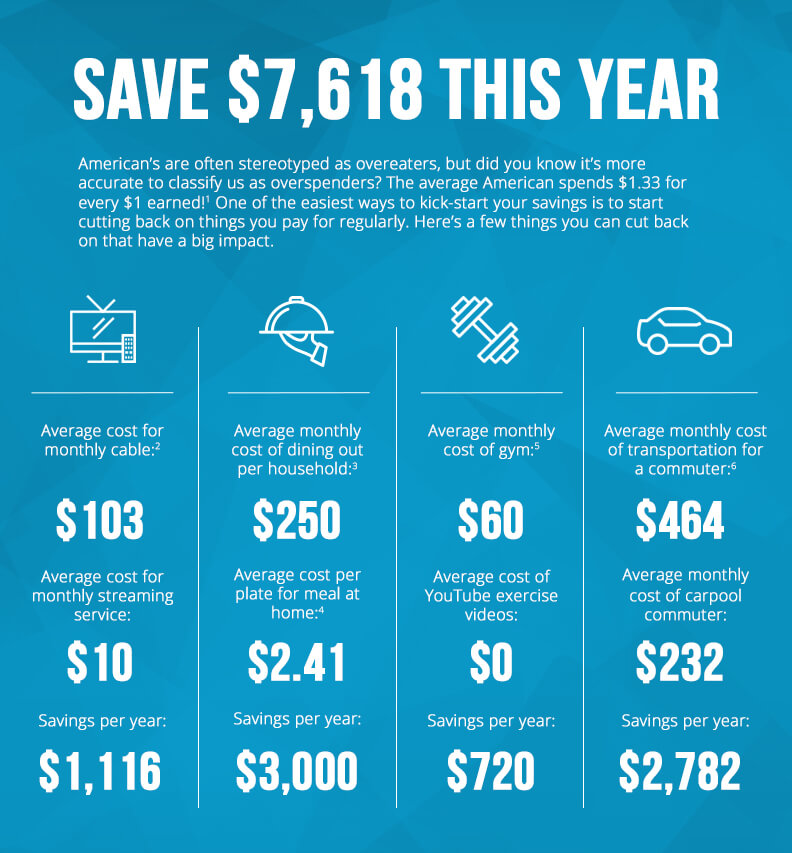
A $15 lunch five days a week is about $300 a month. Packing lunch even three days a week can free up cash fast.
5. Use Cash Envelopes for Categories You Overspend On
Cash envelopes sound old-school, but they work because they create friction. If your problem areas are groceries, fun money, coffee, clothes, or eating out, assign each category a weekly cash limit.
When the envelope is empty, spending stops. A set of cash budget envelopes (check current price on Amazon) can make this easier if you like a physical system.
6. Cancel, Pause, or Negotiate Monthly Bills
Recurring bills are dangerous because they feel invisible. Spend 30 minutes reviewing every subscription and bill.
- Streaming services
- Gym memberships
- Cloud storage
- Subscription boxes
- Music apps
- Phone plans
- Car insurance
Call your internet, phone, and insurance providers and ask: “Is there a lower rate or promotion available?” If they say no, compare competitors. Many people can save $50–$200 a month just by switching phone or insurance plans.
7. Lower Transportation Costs
Transportation is one of the biggest budget categories in the USA. If you own a car, look for fast wins:
- Bundle errands into fewer trips.
- Use gas price apps before filling up.
- Carpool when possible.
- Compare insurance quotes every 6–12 months.
- Avoid unnecessary rideshares.
If you live in a walkable area or near public transportation, try replacing one or two car trips per week. Small changes can reduce gas, parking, tolls, and maintenance costs.
8. Stop Paying Fees
Fees are silent budget killers. Overdraft fees, ATM fees, late payment fees, credit card interest, delivery fees, and convenience fees can easily cost hundreds per year.
Set bill reminders, turn on autopay for minimum payments, use in-network ATMs, and keep a small buffer in checking. If you recently paid a fee, call and politely ask for a one-time waiver. Banks and credit card companies often say yes if you have a decent history.
9. Sell Things You Do Not Use
If you need to save money fast, selling unused items can create immediate cash. Look around your home for:
- Old phones and electronics
- Clothes and shoes
- Furniture
- Fitness equipment
- Baby gear
- Tools
Facebook Marketplace, eBay, OfferUp, and local consignment stores can turn clutter into savings. For phone upgrades and trade-ins, see this smartphone buying and trade-in guide.
10. Use a No-Spend Challenge
A no-spend challenge is one of the most realistic ways to save money quickly because it is temporary. Try 7, 14, or 30 days where you only spend on essentials.
Allowed spending
- Housing
- Utilities
- Groceries
- Gas or transportation
- Medical needs
- Minimum debt payments
Paused spending
- Restaurants
- Clothes
- Random online shopping
- Paid entertainment
- Home decor
Make it easier by planning free activities: parks, library events, home workouts, hikes, or game nights.
11. Compare the Best Fast-Saving Methods
| Method | Best For | Downside |
|---|---|---|
| Cash envelopes | Impulse spenders | Less convenient for online purchases |
| Automatic transfers | Saving from salary | Requires consistent income |
| No-spend challenge | Quick reset | Can feel restrictive |
| Bill negotiation | Lowering fixed expenses | Takes phone calls and comparison shopping |
12. Save Money at Home
Home expenses are another easy target. You do not need major renovations to save.
- Lower the thermostat in winter and raise it in summer.
- Use LED bulbs.
- Unplug energy-draining devices.
- Wash clothes in cold water.
- Use a programmable thermostat (check current price on Amazon).
- Cancel pest, lawn, or cleaning services temporarily if needed.
For eco-friendly changes that can also lower bills, read this guide to sustainable living on a budget.
13. Pay Down High-Interest Debt Strategically
Saving money while paying 20%+ credit card interest is tough. Keep a small emergency buffer, then attack high-interest debt. Use either:
- Debt avalanche: pay highest interest rate first to save the most money.
- Debt snowball: pay smallest balance first for quick motivation.
Even an extra $50–$100 per month toward high-interest debt can reduce future interest and free up cash faster.
FAQ
How can I save money fast on a low income?
Start with tracking, then focus on the biggest leaks: food, subscriptions, transportation, and fees. Automate even a small amount, such as $10–$25 per paycheck. The habit matters first; the amount can grow later.
What are clever ways to save money?
Use a 24-hour rule before buying anything non-essential, shop your pantry before grocery shopping, negotiate bills, use cash envelopes, and move savings to a separate account immediately on payday.
How much should I save from my salary?
A good target is 10%–20% of take-home pay, but if that is not realistic, start smaller. Saving $25 every payday is better than waiting until you can save a “perfect” amount.
What are the top money-saving tips that work quickly?
Cancel unused subscriptions, stop restaurant spending for 30 days, compare insurance and phone plans, sell unused items, and do a short no-spend challenge.
Is it better to save money or pay off debt?
Build a small emergency fund first so one surprise bill does not push you deeper into debt. After that, focus on high-interest debt while continuing small automatic savings.
Final Verdict: The Fastest Way to Save Money in the USA
The fastest realistic path is simple: track your spending for 7 days, cut obvious waste, automate savings on payday, reduce food and transportation costs, and attack high-interest debt. Do not try to fix everything at once. Pick three moves today: cancel one bill, plan meals for the week, and schedule an automatic transfer.
If you do that consistently for 30 days, you will not just save money fast — you will build a system that keeps saving money for you.
“If you do that consistently for 30 days, you will not just save money fast — you will build a system that keeps saving money for you.”
Recommended Productivity Gear
*Affiliate link — we may earn a small commission at no extra cost to you.