
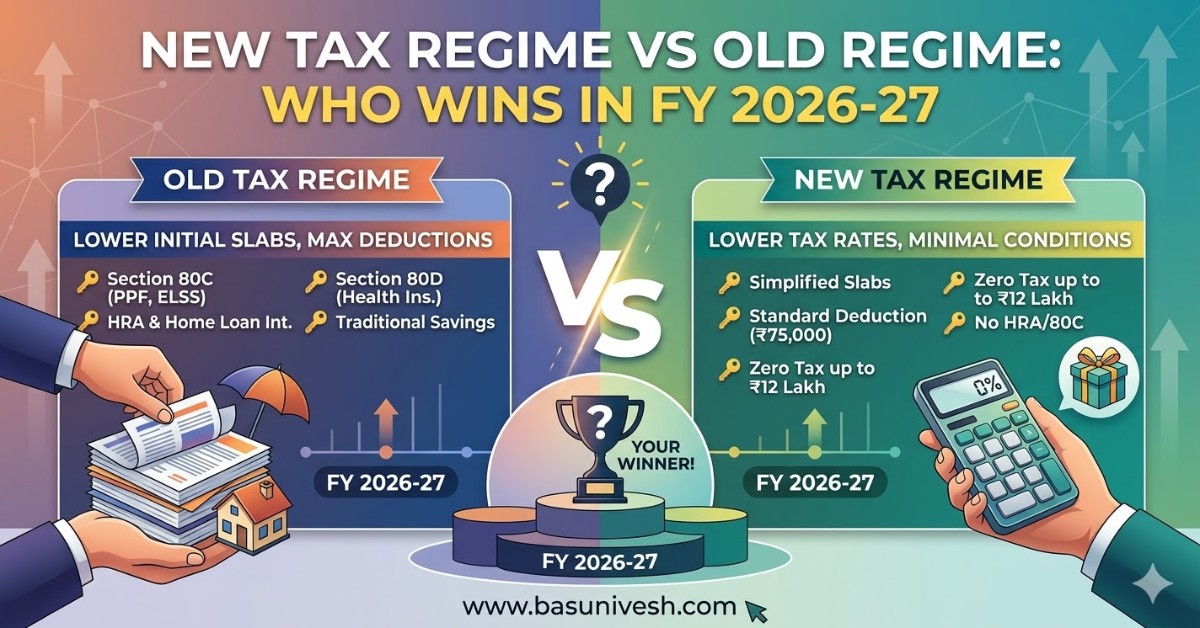
| Option | Key Number | Key Detail |
|---|---|---|
| New Tax Regime | Section 115BAC | Tax calculator old regime vis-a-vis new regime |
| Old Tax Regime | 80C | Traditional deduction remains available |
| Old Tax Regime | 80D | Traditional deduction remains available |
| Old Tax Regime | 10(10D) | Traditional deduction remains available |
Data sourced from top search results. Verify before making decisions.
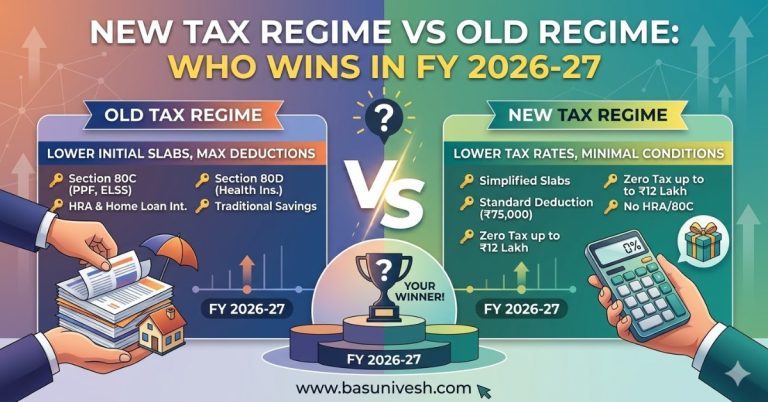
Many taxpayers think the new tax regime is always cheaper because the rates look lower. But that is not true for everyone.
If you pay rent, invest under 80C, buy health insurance, or claim home loan interest, the old regime may still save you money. The best choice for 2026 depends on your salary, deductions, age, and how much paperwork you are ready to handle.
Old vs New Tax Regime 2026: What Is the Real Difference?
The old tax regime gives you many ways to lower taxable income. You can claim deductions like 80C, 80D, HRA, LTA, and home loan interest, if you meet the rules.
The new tax regime gives lower slab rates and a simpler filing experience. But it removes most popular deductions, so your gross income and taxable income may stay closer.
Think of it like buying a phone plan. One plan has many add-ons and conditions, while the other is simple and cheaper on paper. The better one depends on your use.
Key Tax Regime Comparison for 2026
| Point | Old Tax Regime | New Tax Regime |
|---|---|---|
| Tax rates | Higher slab rates | Lower slab rates |
| Deductions | Many deductions allowed | Most deductions not allowed |
| Default option | You must choose it | Default regime |
| Best for | People with high tax-saving investments and exemptions | People with fewer deductions or simple salary income |
| Switching | Usually allowed yearly for non-business income | Usually allowed yearly for non-business income |
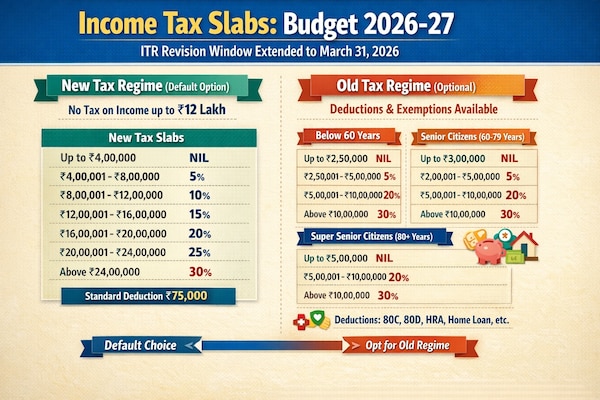
How the New Tax Regime Works in 2026
Lower rates, fewer benefits
The new regime is designed to make tax filing easier. You do not need to collect many investment proofs or rent receipts to reduce tax.
For many salaried people, the new regime can be useful because of lower slab rates and simpler calculation. It is also the default tax regime, so if you do not make a choice, the system generally treats you under the new regime.
Who should consider the new regime?
The new regime may suit you if you do not claim HRA, do not invest much under 80C, and do not have large medical insurance or home loan deductions.
It is also helpful for people who want a clean and fast filing process. If your tax life is simple, this regime may save both time and effort.
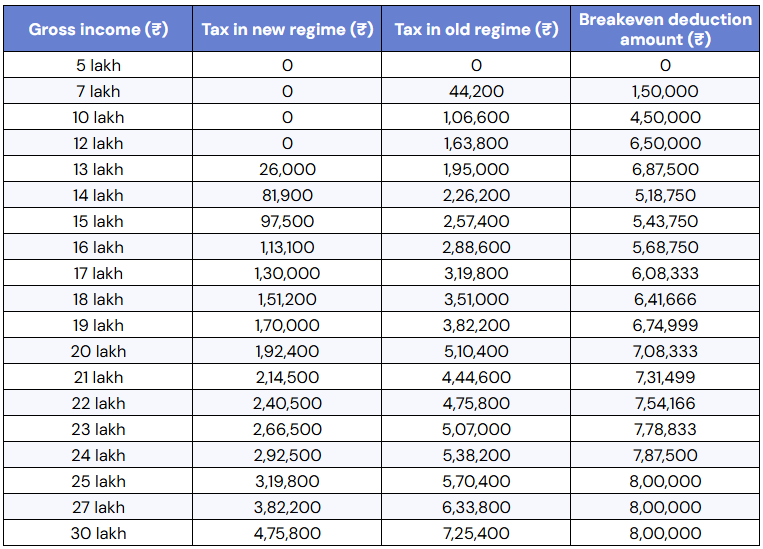
How the Old Tax Regime Works in 2026
Higher rates, more deduction power
The old regime has higher slab rates, but it allows many tax-saving options. This is why it can still beat the new regime for some taxpayers.
For example, if you claim HRA, 80C, 80D, standard deduction, and home loan interest, your taxable income may fall a lot. That lower taxable income can make the old regime better.
Who should consider the old regime?
The old regime may suit salaried people living in rented homes, families paying health insurance premiums, and people repaying a housing loan.
It may also help senior citizens who use deductions carefully. But the final answer still depends on the numbers, not just age.
Salary Tax Planning: Which Regime Is Better for Employees?
If you are salaried, do not choose only by looking at slab rates. First, list your full salary, then list every deduction you can claim.
Common items include EPF, PPF, ELSS, life insurance premium, tuition fees, HRA, health insurance, NPS, and home loan interest. Once you add these, compare tax under both regimes.
For a deeper checklist before filing, you can use this guide on 9 Smart Checks Before Choosing Old or New Tax Regime for ITR Filing 2026. It can help you avoid a rushed choice during return filing.
7 Smart Steps to Pick the Right Tax Regime in 2026
1. Start with your gross income
Include salary, interest, rent, capital gains, freelance income, and any other income. Your tax choice should be based on total income, not just monthly salary.
2. Make a deduction list
Write down all deductions and exemptions you can legally claim under the old regime. Do not guess; use actual amounts.
3. Check HRA carefully
If you live on rent and receive HRA, the old regime can become attractive. Keep rent receipts and landlord details ready if needed.
4. Add 80C and 80D benefits
80C includes items like EPF, PPF, ELSS, life insurance, and school tuition fees. 80D is for medical insurance premiums.
5. Include home loan interest
If you have a self-occupied house property loan, interest deduction may help under the old regime. This can make a big difference for home buyers.
6. Use a calculator or Excel sheet
A simple old vs new tax regime calculator can show the result quickly. You can also create an Excel sheet with income, deductions, taxable income, tax, cess, and final payable amount.
7. Do not follow friends blindly
Your colleague’s best regime may not be yours. Tax choice is personal, just like choosing between premium gadgets in this 2026 smart glasses comparison; the right pick depends on your actual use.
Old vs New Tax Regime 2026 for Senior Citizens
Senior citizens should compare both regimes with extra care. Under the old regime, senior citizens may get age-based basic exemption benefits, along with deductions such as medical insurance and interest-related benefits, if applicable.
Under the new regime, the slabs are simpler, but many deductions are not available. So, a senior citizen with pension income, medical insurance, and interest income should calculate both options before filing.
FAQ on Old vs New Tax Regime 2026
Is the old tax regime going to end in 2026?
As of now, the old tax regime is still available as an option. The new regime is the default, but eligible taxpayers can still choose the old regime while filing or through employer declaration, subject to tax rules.
Can I switch between old and new tax regime every year?
If you have only salary income and no business or professional income, you can generally choose between the two regimes each year. If you have business income, switching rules are more restricted.
Which regime is better for salary in 2026?
The new regime may be better if you have low deductions. The old regime may be better if you claim large HRA, 80C, 80D, NPS, or home loan benefits.
Do I need an old vs new tax regime calculator?
Yes, a calculator is useful because small changes can change the answer. Even a basic Excel calculator can help you compare both regimes clearly.
Can I save this comparison as a PDF?
Yes. You can print your calculation or save your Excel sheet as a PDF for your records. Keep it with salary slips, Form 16, rent proofs, and investment documents.
Final Recommendation
Choose the new tax regime in 2026 if you want simple filing and do not have many deductions. It is clean, quick, and often works well for people with limited tax-saving claims.
Choose the old tax regime if your deductions are strong enough to lower taxable income in a meaningful way. Before filing, calculate both options once and pick the one with the lower final tax.

*Affiliate link — we may earn a small commission at no extra cost to you.
“*Affiliate link — we may earn a small commission at no extra cost to you.”

Career growth columnist and industry observer. Writes about salary negotiations, job market trends, and upskilling for India's emerging workforce.