
Artificial intelligence is no longer just a tech company issue. It now shapes homework help, hiring tools, smart cameras, health apps, search results, and even what children see online.
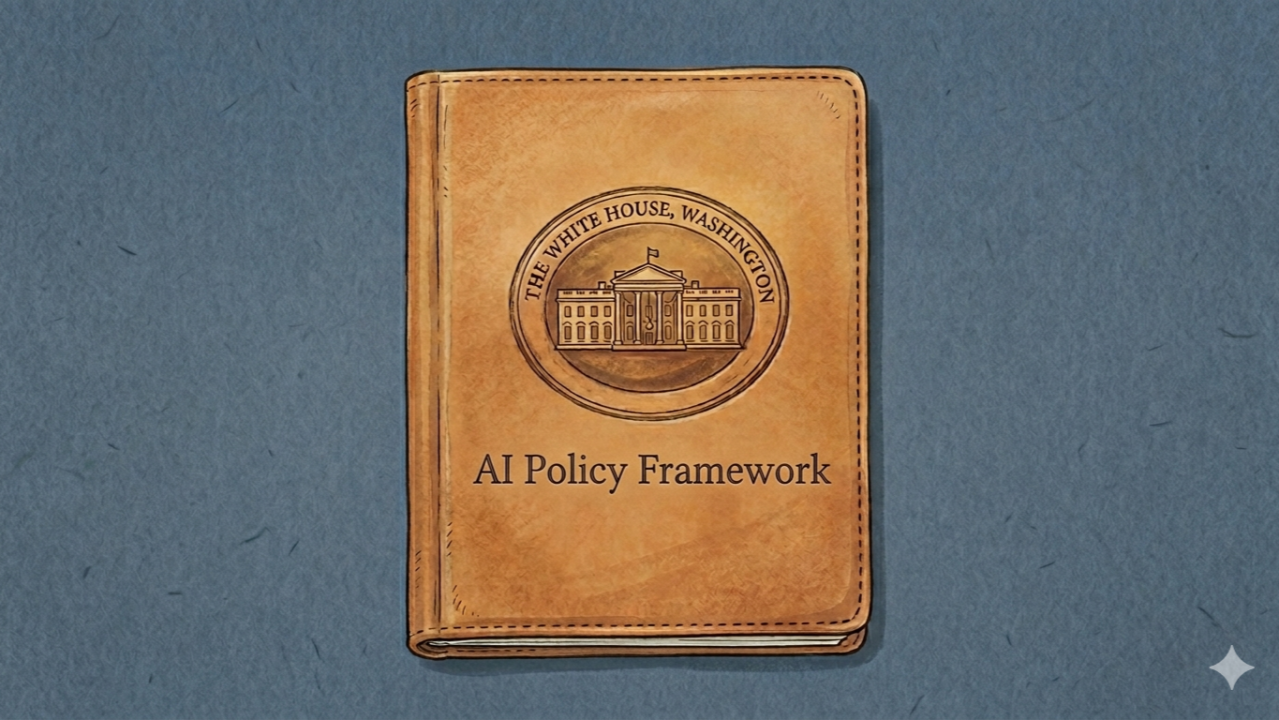
That is why the White House AI policy framework matters. It is not just a government document; it is a plan for how the United States may set national rules before every state creates a different system.
What Is the White House AI Policy Framework?
The White House National Policy Framework for Artificial Intelligence, released on March 20, lays out ideas for federal laws around artificial intelligence. It is designed as a national plan, not just guidance for one agency.
The key goal is balance. The government wants to protect Americans while also allowing companies, schools, and researchers to keep building useful tools.
Why a National Framework Matters
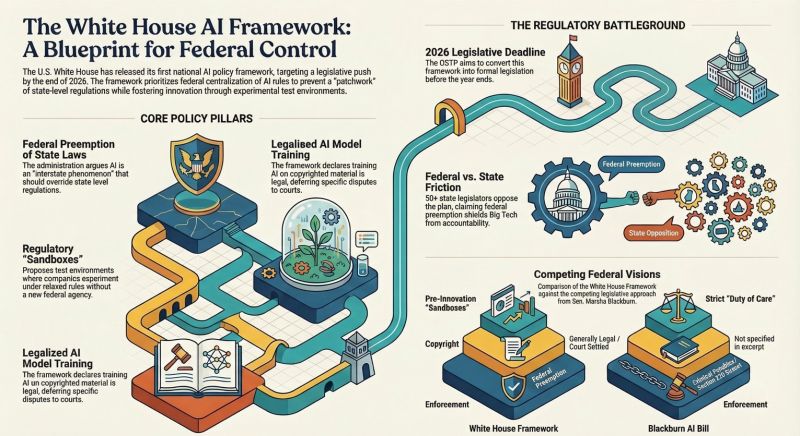
Without federal rules, each state can create its own artificial intelligence laws. That may sound flexible, but it can become a messy patchwork for businesses and confusing for everyday users.
For example, a company offering workplace tools may need one rule for Texas, another for California, and another for Florida. A national framework could make the rules clearer and easier to follow.
8 Key Areas the Framework Could Change
1. Protection of American Rights
The framework puts a strong focus on protecting basic rights. This includes how automated systems may affect speech, privacy, fairness, and access to services.
As more companies use smart tools to screen job applicants, approve loans, or personalize content, people want to know they are being treated fairly.
2. Support for Innovation
The plan does not appear to treat artificial intelligence only as a risk. It also sees it as a major tool for growth, research, defense, medicine, education, and business.
This matters for teams already using modern work tools like those in 11 Best AI Productivity Tools in 2026 for Work, Study, and Software Teams. Clear rules can help users adopt new tools with more trust.
3. Fewer Conflicting State Rules
One of the biggest reasons for a federal framework is to prevent a fragmented legal system. A single national approach could make compliance simpler.
This is especially important for small companies. Large firms can hire legal teams, but smaller groups may struggle if every state has different rules.
4. Free Speech Protections
The framework emphasizes free speech. It signals that government should be careful about pressuring technology providers to ban, remove, or promote certain content.
This issue is important because platforms now use automated systems to sort, rank, and moderate information. The rules may shape how much control government agencies can have over those decisions.
5. Limits on Government Coercion
A major theme is limiting government coercion of technology providers. In simple terms, officials should not force or pressure companies behind the scenes to block lawful speech.
This part of the framework is about trust. People need to know whether content decisions are being made by private platforms, users, clear laws, or quiet government pressure.
6. Children’s Safety
The framework also points to protecting children. This may include stronger rules for age-appropriate content, harmful online behavior, and tools that may influence young users.
Parents are already dealing with smart devices, apps, cameras, glasses, and recommendation systems. Products like those covered in 7 Best AI-Powered Smart Glasses in 2026: Ultimate Meta Ray-Ban vs New Competitors Breakdown show how fast connected technology is moving into daily life.
7. More Power for Parents
Another theme is empowering parents. That means giving families more say in how children use digital tools and what protections are available.
This could lead to clearer settings, better notices, and stronger parental control options. The goal is not just more rules, but rules that parents can actually understand and use.
8. Stronger National Security and Safeguards
The framework also connects artificial intelligence policy with broader national strength. That can include safety, security, economic leadership, and protection from harmful uses.
Smart systems are now used in home protection, public safety, and connected devices. If you follow areas like 7 Best Smart Home Security Systems 2026: AI-Powered Cameras vs Traditional Monitoring, you can see why national standards may become more important.
Key Facts at a Glance
| Policy Area | What It Means | Who It Affects |
|---|---|---|
| National rules | Creates a federal approach instead of many state systems | Businesses, states, users |
| Rights protection | Focuses on speech, fairness, and civil liberties | Consumers, workers, students |
| Innovation | Supports development while setting guardrails | Startups, researchers, employers |
| Children and parents | Encourages stronger safeguards and family control | Parents, schools, platforms |
Practical Tips: How to Prepare for the New Policy Direction
Step 1: Know Whether You Use Automated Tools
Many people use artificial intelligence without noticing it. It may be inside writing apps, cameras, job systems, school platforms, customer service chats, and search tools.
Start by listing where your family or business uses these systems. You cannot manage what you do not track.
Step 2: Check Privacy and Control Settings
Review privacy settings on apps, smart devices, and workplace tools. Look for data sharing, voice recording, camera access, and child safety controls.
If a tool does not clearly explain its settings, treat that as a warning sign.
Step 3: Watch for Federal Legislation
The framework includes legislative recommendations, which means Congress would need to act for many ideas to become law. Do not assume every proposal is already a rule.
Follow updates from official government sources, trusted legal analysts, and industry groups.
Step 4: For Businesses, Build One Clear Policy
If your company uses artificial intelligence, create a simple internal policy now. Explain which tools are allowed, what data can be entered, and who reviews risky uses.
This makes it easier to adjust if federal rules arrive later.
FAQ
What is the White House national policy framework for AI?
It is a federal policy plan with legislative ideas for artificial intelligence. Its main goals are to protect rights, support innovation, and avoid a confusing mix of state laws.
Is the White House AI policy framework already law?
No, not fully. It includes policy goals and legislative recommendations, but Congress would need to pass laws for many parts to become binding nationwide.
How is this different from a White House AI executive order?
An executive order directs federal agencies on what to do under current authority. A legislative framework asks Congress to create or change laws for a broader and longer-lasting national approach.
Why does the framework mention free speech?
Because online platforms and artificial intelligence tools can shape what people see and say. The framework stresses that government should not wrongly pressure technology providers to ban or promote speech.
What should parents watch for?
Parents should watch for stronger safety tools, clearer age controls, and better information about how platforms affect children. They should also review settings on apps, devices, and school tools now.
Final Recommendation
The White House AI policy framework is worth watching because it could shape the next decade of technology rules in the United States. Treat it as an early map of where federal law may go.
If you are a parent, check your child’s digital tools. If you run a business, create a simple use policy now. If you are a regular user, learn which systems affect your data, speech, and choices.
“If you are a parent, check your child’s digital tools.”

*Affiliate link — we may earn a small commission at no extra cost to you.

Education journalist covering competitive exams, board results, and career transitions in India. Her CBSE and higher education coverage has helped thousands of students navigate admissions.