
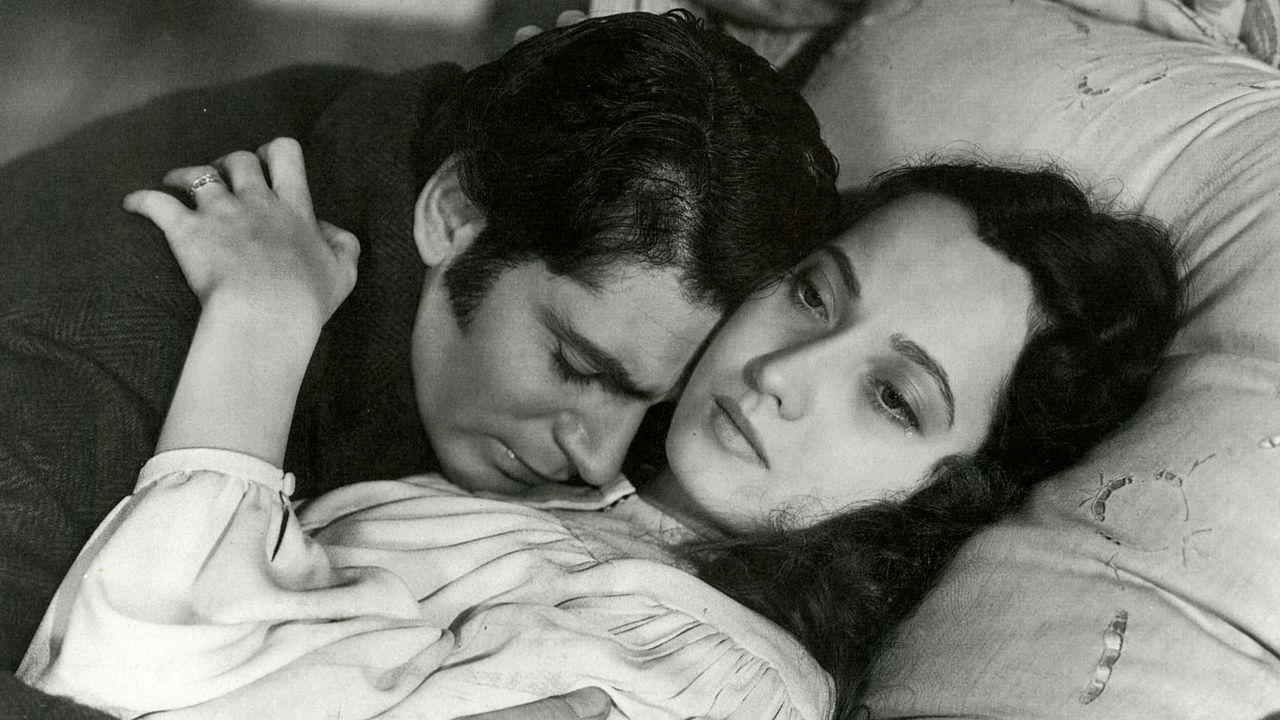
Most people think Wuthering Heights is a tragic romance. That is the first mistake. Emily Brontë’s only novel is darker, stranger, crueler, and far more psychologically unsettling than the candlelit love story many movie posters suggest.
Published in 1847, the book shocked early reviewers with its brutality, obsession, and moral ambiguity. Nearly two centuries later, it still has the power to make readers ask: am I supposed to admire this love story, fear it, or both?
| Key Evidence | What It Shows | Why It Matters |
|---|---|---|
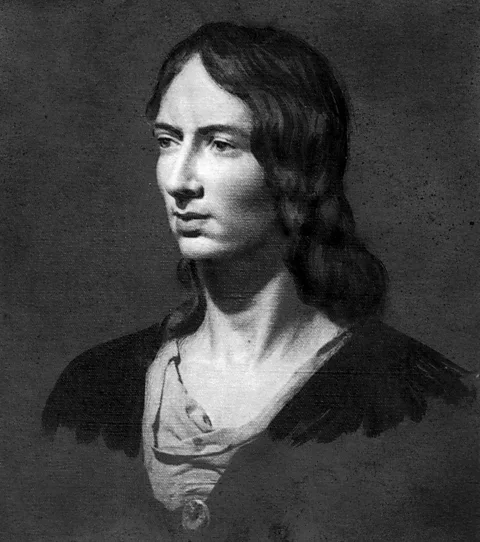
| First published in 1847 under the name Ellis Bell | Readers did not initially know Emily Brontë was the author | The novel was judged as unusually violent and “masculine” for its time |
| Early reviews called it powerful but disturbing | Victorian critics struggled with its cruelty and lack of moral comfort | Its controversy is part of why it became a classic |
| Adaptations often focus on Heathcliff and Catherine | The revenge plot and second generation are frequently reduced | This makes the book look more romantic than it really is |
1. Wuthering Heights Is Not a Simple Love Story
If you came to the novel expecting a swoony romance, the first shock is how little comfort it offers. Heathcliff and Catherine are passionate, yes, but their bond is not tender in the usual sense. It is possessive, identity-blurring, and often destructive.
Catherine’s famous line, “I am Heathcliff,” sounds romantic when quoted alone. Inside the novel, it is much more complicated. It suggests a terrifying fusion of selfhood, pride, longing, and emotional dependence. This is passion without wisdom, not love as liberation.
That distinction matters. The book repeatedly contrasts destructive passion with quieter forms of care, forgiveness, and unity. The second generation, especially Cathy and Hareton, offers something Heathcliff and Catherine never manage: the possibility of growth.
2. Why Is Wuthering Heights Considered a Classic?
Wuthering Heights is considered a classic because it refuses easy answers. It is not just famous because of its dramatic moors, ghostly atmosphere, or doomed lovers. It endures because it feels emotionally dangerous.
Here is what makes it last:
- A radical structure: The story is told through layered narrators, especially Lockwood and Nelly Dean, so readers must constantly question what they are hearing.
- Psychological intensity: Heathcliff is not a standard villain, hero, or romantic lead. He is all wound, fury, and calculation.
- Gothic atmosphere: The houses, weather, ghosts, and landscape all seem to press on the characters’ minds.
- Moral discomfort: The novel does not neatly punish the wicked and reward the good.
- Emotional honesty: Brontë shows how love can curdle into control, resentment, and revenge.
If you enjoy books that challenge your assumptions the way good cultural analysis or even modern study tools can reframe a topic, this is exactly the kind of novel worth rereading.
3. Why Was Wuthering Heights Controversial in 1847?
The original Wuthering Heights reviews in 1847 were mixed and often uneasy. Critics recognized its force, but many were disturbed by its violence, savagery, and lack of polite moral instruction.
Victorian readers were used to novels that offered clearer social lessons. Brontë gave them abuse, obsession, class bitterness, revenge, illness, ghosts, and emotional extremity. Even more shocking, she did not step in as author to tell readers exactly what to think.
That is why the novel still feels modern. It trusts you to sit in discomfort. It asks you to judge characters without pretending judgment is simple.
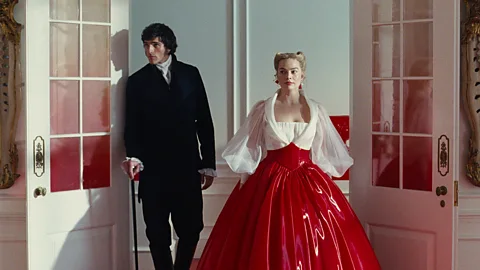
4. The Biggest Misunderstanding: Heathcliff Is Not a Romantic Ideal
Heathcliff is one of literature’s most magnetic characters, but magnetic does not mean admirable. His suffering is real. His outsider status matters. His humiliation as a child helps explain him. But explanation is not the same as excuse.
As an adult, Heathcliff becomes ruthless. He manipulates marriages, brutalizes dependents, and turns grief into a long campaign of revenge. The novel does not ask you to ignore his cruelty because he loved Catherine. It asks whether a wounded person can become monstrous when pain is fed instead of healed.
This is where many film versions soften or distort the book. A close-up of a brooding man on a windswept hill can make obsession look glamorous. On the page, it is far more frightening.
5. Book vs Movie: Why Adaptations Change the Story
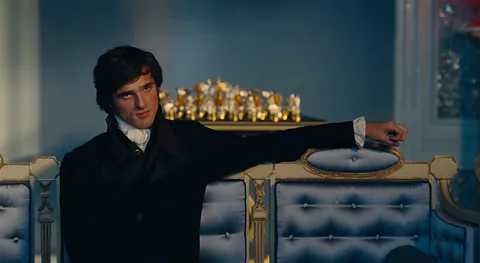
Searches for “Wuthering Heights movie” often lead people to adaptations before they read the novel. That is not necessarily bad, but it can create the wrong expectation. Many adaptations concentrate on Heathcliff and Catherine’s youthful bond while minimizing the later revenge plot and the second generation.
| Version | What It Emphasizes | What You Might Miss |
|---|---|---|
| The original book | Revenge, inheritance, cruelty, class, obsession, and renewal | Nothing essential; this is the full experience |
| Classic film adaptations | Romantic tragedy and gothic atmosphere | The second generation and the full moral arc |
| Modern screen versions | Sensuality, realism, visual intensity, or shock value | Brontë’s narrative complexity and ambiguity |
If you want the best starting point, read a strong annotated edition such as Wuthering Heights by Emily Brontë, Oxford World’s Classics (check current price on Amazon) or Penguin Classics (check current price on Amazon). Then watch an adaptation and notice what it leaves out.
6. Is Wuthering Heights a True Story?
No, Wuthering Heights is not a true story. It is a work of fiction. But it is rooted in emotional and social realities Emily Brontë understood deeply: isolation, family conflict, harsh landscapes, class tensions, religious pressure, and the intensity of life in a small community.
The Yorkshire moors are not just decoration. They shape the mood of the book. The wildness outside reflects the wildness inside the characters. If you care about how place affects human behavior, the novel has surprising overlap with modern conversations around environment, home, and even sustainable ways of living with landscape.
7. What the Novel Actually Says About Passion
The common reading is that Wuthering Heights celebrates passion. A better reading is that it investigates passion and finds it dangerous when cut off from mercy.
Heathcliff and Catherine’s connection is powerful, but it does not make them kinder. It does not free them. It traps them in pride, longing, and self-destruction. By contrast, the later relationship between Cathy and Hareton is built through patience, education, forgiveness, and mutual recognition.
That is the hidden architecture of the book: two generations, two models of attachment.
- Heathcliff and Catherine: intensity without healing.
- Cathy and Hareton: affection shaped by humility and change.
This is why the ending matters. The novel does not simply drown in darkness. It suggests that inherited damage can be interrupted. That idea feels as relevant as any modern guide to better choices, whether you are reading about relationships, financial habits, or personal growth.
FAQ
Why is Wuthering Heights considered a classic?
Because it combines gothic atmosphere, psychological depth, experimental narration, and moral complexity. It is not just an old love story; it is a bold novel about obsession, revenge, class, and emotional inheritance.
Why is Wuthering Heights controversial?
It was controversial because of its cruelty, violence, disturbing relationships, and refusal to offer simple moral lessons. Readers still argue over whether it portrays passion as sublime, destructive, or both.
Is Wuthering Heights a romance?
Not in the comforting modern sense. It contains passionate attachment, but it is better described as a gothic tragedy and revenge novel. Calling it only a romance badly undersells how dark it is.
Which Wuthering Heights movie should I watch?
Watch any major adaptation as a companion, not a replacement. Many films are visually striking, but they often simplify the plot. For the full story, start with the book (check current price on Amazon), then compare the adaptation’s choices.
Is Heathcliff supposed to be a hero?
No. Heathcliff is compelling, wounded, and unforgettable, but he is not a moral hero. His pain explains some of his behavior, but the novel makes his cruelty impossible to ignore.
Final Verdict: Read the Book Before You Judge the Myth
Wuthering Heights is a masterpiece because it is not safe, simple, or easily lovable. It shocks because it exposes how passion can become possession, how suffering can become cruelty, and how revenge can consume more than its target.
“Wuthering Heights is a masterpiece because it is not safe, simple, or easily lovable.”
If you have only seen the misty romance version, read the novel itself. Choose a good annotated edition (check current price on Amazon), take your time with the narrators, and pay attention to the second generation. The real Wuthering Heights is not a fantasy about perfect love. It is a warning about what happens when love is stripped of compassion.
Recommended Productivity Gear
*Affiliate link — we may earn a small commission at no extra cost to you.