
By Neha Joshi
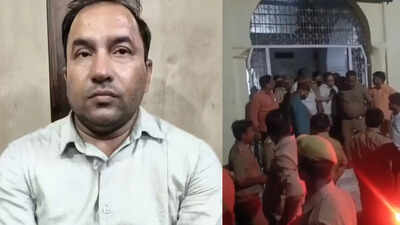
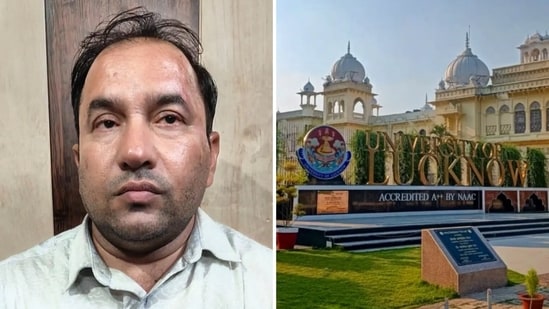
A few seconds of audio can now shake an entire university system. In Lucknow, a viral clip allegedly featuring an assistant professor telling a female student, “Darling, I have retrieved two papers for you,” has triggered arrests, outrage, and serious questions about exam integrity.
The case is not just about one shocking sentence. It is about trust in universities, student safety, alleged paper leaks, and how digital evidence can turn a private conversation into a public scandal overnight.
| Key Point | What Reports Say | Why It Matters |
|---|---|---|
| Accused | Assistant professor Paramjeet Singh, zoology department | Raises questions about faculty accountability |
| Allegation | Offering leaked exam papers to a female student in viral audio clips | Threatens fairness of university exams |
| Police Action | Detained/arrested after clips surfaced and complaints were made | Turns the matter from campus gossip into a criminal investigation |
What Exactly Happened in the Lucknow Viral Audio Case?
According to multiple news reports from Lucknow, audio clips surfaced days before police detained the assistant professor. In one purported clip, the man allegedly says: “Darling, I have retrieved two papers for you. When will you come meet me?”
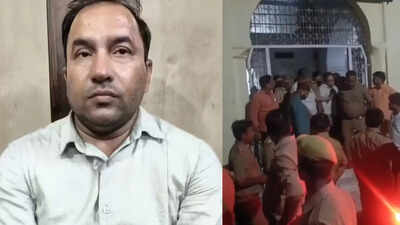
The statement immediately caused outrage because it appeared to combine two explosive issues: an alleged exam paper leak and an alleged inappropriate approach toward a female student. For students and parents, both claims are alarming. A leaked paper can destroy academic fairness, while suggestive communication from a teacher to a student raises concerns about power imbalance and harassment.
At this stage, the most important word is “allegedly.” Viral audio is powerful, but it still needs forensic verification, context, and legal scrutiny. Police and university authorities will need to determine:
- Whether the voice in the clips belongs to the accused professor
- Whether the audio has been edited or manipulated
- Whether actual exam papers were leaked
- Whether any student received unfair academic advantage
- Whether institutional procedures failed before the clips went public
Why Was the Assistant Professor Arrested?
The reported reason for the arrest was the allegation that the professor was involved in leaking exam papers. The viral clips allegedly showed him discussing retrieved papers with a female student, which gave police grounds to investigate possible academic misconduct and criminal wrongdoing.
In such cases, the arrest is not automatically proof of guilt. It means police believe there is enough material to question the accused, prevent tampering with evidence, or investigate the alleged chain of events. The final legal outcome will depend on evidence, witness statements, digital forensics, and court proceedings.
The Two Main Allegations
The controversy has two separate but connected layers:
- Paper leak allegation: Did an exam paper actually leave secure university custody before the exam?
- Misconduct allegation: Did a teacher use his position to make inappropriate comments or offers to a student?
Both require different types of evidence. A paper leak investigation may involve exam cell records, printing access, digital trails, and student statements. A misconduct probe may involve the audio clips, call records, complaints, and the student’s testimony.
Why This Case Has Sparked Such a Strong Reaction
Exam leaks are not just administrative failures. They damage the confidence of every honest student who studied without shortcuts. When a teacher is accused, the reaction is even stronger because teachers are supposed to protect academic integrity, not undermine it.
There is also a gender and safety angle. If a student feels pressured by a faculty member, especially in a situation involving marks or exam papers, the power imbalance can be serious. Universities need systems where students can complain without fear of retaliation.
This is also a reminder of how fast digital evidence spreads. One audio clip can move from a phone to WhatsApp groups, then to social media, then to police files. If you follow stories involving digital proof, you may also find this useful: how smartphones are changing everyday accountability.
Alleged Paper Leak vs Verified Case: What Needs to Be Proven?
Public anger often moves faster than the law. But for a case like this to stand, investigators must move from viral claims to verifiable facts.
| Issue | Public Claim | What Investigators Need |
|---|---|---|
| Audio clip | Professor allegedly offered two leaked papers | Voice matching, metadata, original file, forensic report |
| Paper leak | Exam papers were retrieved before the exam | Proof of access, matching paper content, chain of custody breach |
| Student involvement | A female student was allegedly contacted | Statement, call logs, context, protection of identity |
| Faculty misconduct | Inappropriate language and possible pressure | Complaint, internal inquiry, conduct rule assessment |
What Universities Should Do After Such Allegations
This case should not be treated as a one-off scandal. It should push universities to strengthen systems before the next controversy erupts.
1. Secure the Exam Paper Chain
Every university should track who creates, prints, stores, transports, and opens exam papers. A secure system should include:
- Limited access to question papers
- Digital logs for paper handling
- Sealed packets with timestamps
- Randomized paper sets where possible
- Strict penalties for unauthorized access
2. Protect Students Who Report Misconduct
If a student reports a teacher, the complaint process must be confidential and safe. Students often hesitate because they fear poor marks, social stigma, or being blamed. A strong complaint system protects the complainant first, then investigates fairly.
3. Verify Digital Evidence Before Public Judgment
Viral clips can be genuine, edited, or taken out of context. That does not mean they should be ignored. It means institutions must preserve original files, call records, and device data quickly. For a broader look at digital risk and decision-making, see how verification matters in high-stakes decisions.
What Students Should Do If They Are Offered Leaked Papers
If a student is ever offered exam papers before an exam, the safest response is simple: do not accept, do not forward, and document everything.
- Save evidence safely: Keep screenshots, call logs, messages, or recordings if legally permissible.
- Do not share publicly: Posting online can harm the investigation and expose the student.
- Report to trusted authorities: Approach the dean, exam controller, internal complaints committee, or police if necessary.
- Ask for written acknowledgement: A complaint should not disappear into silence.
- Seek support: In cases involving harassment or pressure, involve family, legal aid, or student support bodies.
Academic pressure can make shortcuts look tempting, but leaked papers can ruin careers. Students preparing honestly should also focus on healthier routines and long-term performance; this piece on building sustainable habits may help beyond exams.
What Happens Next in the Case?
The next steps will likely include forensic testing of the audio clips, statements from the student and university officials, examination of paper access records, and possible internal disciplinary proceedings. If investigators find evidence of a real paper leak, the university may also need to review affected exams.
Possible outcomes include:
- Criminal charges if a paper leak is proven
- Departmental action if misconduct is established
- Exam cancellation or retest if fairness was compromised
- Closure or modification of charges if evidence is insufficient
FAQ
Who is the professor named in the reports?
News reports identify the accused as assistant professor Paramjeet Singh from the zoology department. The allegations remain subject to police investigation and legal process.
What did the viral audio allegedly say?
The widely reported line is: “Darling, I have retrieved two papers for you. When will you come meet me?” The clip allegedly suggested an offer of leaked exam papers to a female student.
Has the professor been proven guilty?
No final guilt has been established based on the information currently reported. Arrest and investigation are legal steps, but guilt must be determined through evidence and due process.
Can viral audio be used as evidence?
Yes, audio can be used as evidence, but it usually needs authentication. Investigators may check the original file, metadata, voice match, call records, and whether the clip was edited.
What should students do if they receive leaked papers?
They should not use or forward them. They should preserve evidence, report through official channels, and seek protection if a teacher or authority figure is involved.
Final Verdict
The Lucknow viral audio row is serious because it strikes at two sensitive points: exam integrity and student safety. The reported arrest shows that authorities are treating the allegations as more than campus gossip, but the case must still be judged on verified evidence, not outrage alone.
“The Lucknow viral audio row is serious because it strikes at two sensitive points: exam integrity and student safety.”
The direct recommendation is this: students should report any paper leak approach immediately, universities must audit exam security, and the public should avoid spreading unverified clips that could harm victims or compromise the investigation. If the allegations are proven, the response should be swift and strict because academic trust is too valuable to be negotiated over a phone call.
Recommended Productivity Gear
*Affiliate link — we may earn a small commission at no extra cost to you.