
Dropshipping in India sounds simple: sell online, let the supplier ship, keep the profit. But the part most beginners miss is that winning dropshipping is not about finding “viral products” — it is about choosing the right niche, supplier, pricing, and compliance from day one.
The good news? You can start from home with a lean budget. The bad news? “Free dropshipping” is possible to test, but a serious business still needs money for GST, store setup, marketing, and returns.
| Requirement | Beginner Estimate | Important Note |
|---|---|---|
| GSTIN | Usually required | Needed for most e-commerce selling and supplier invoicing |
| Starting Budget | ₹10,000–₹50,000 | Can test cheaper, but ads and tools need budget |
| Best Products | ₹500–₹3,000 selling price | Low enough for impulse buys, high enough for margin |
| Work Location | Home-based | Laptop, phone, internet, and supplier access are enough |
What Is Dropshipping and How Does It Work in India?
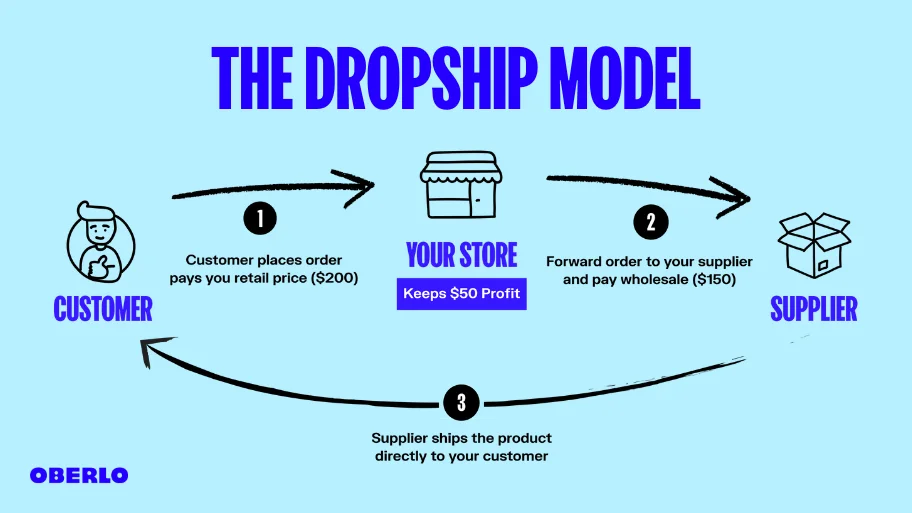
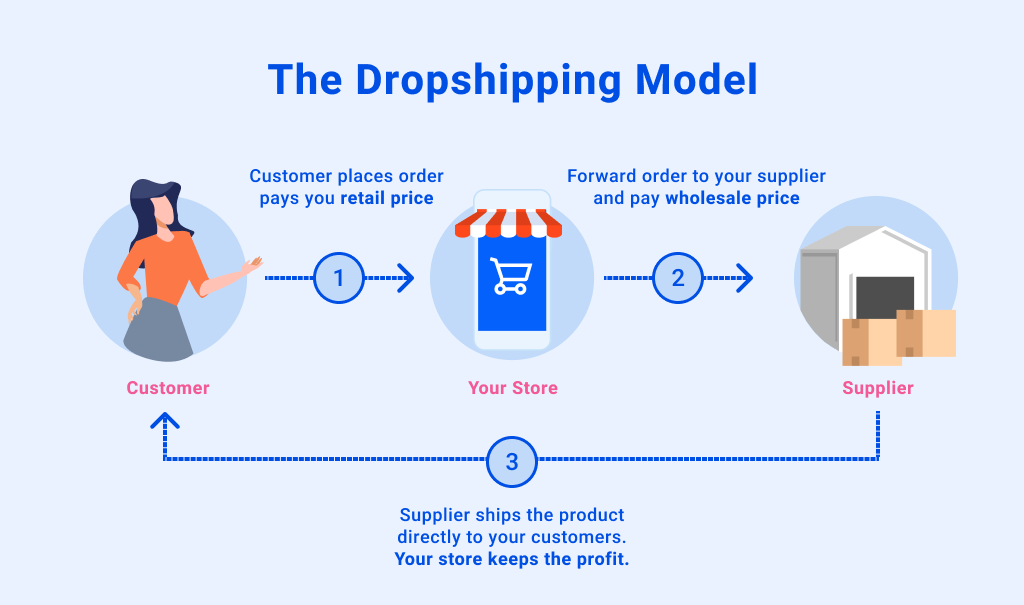
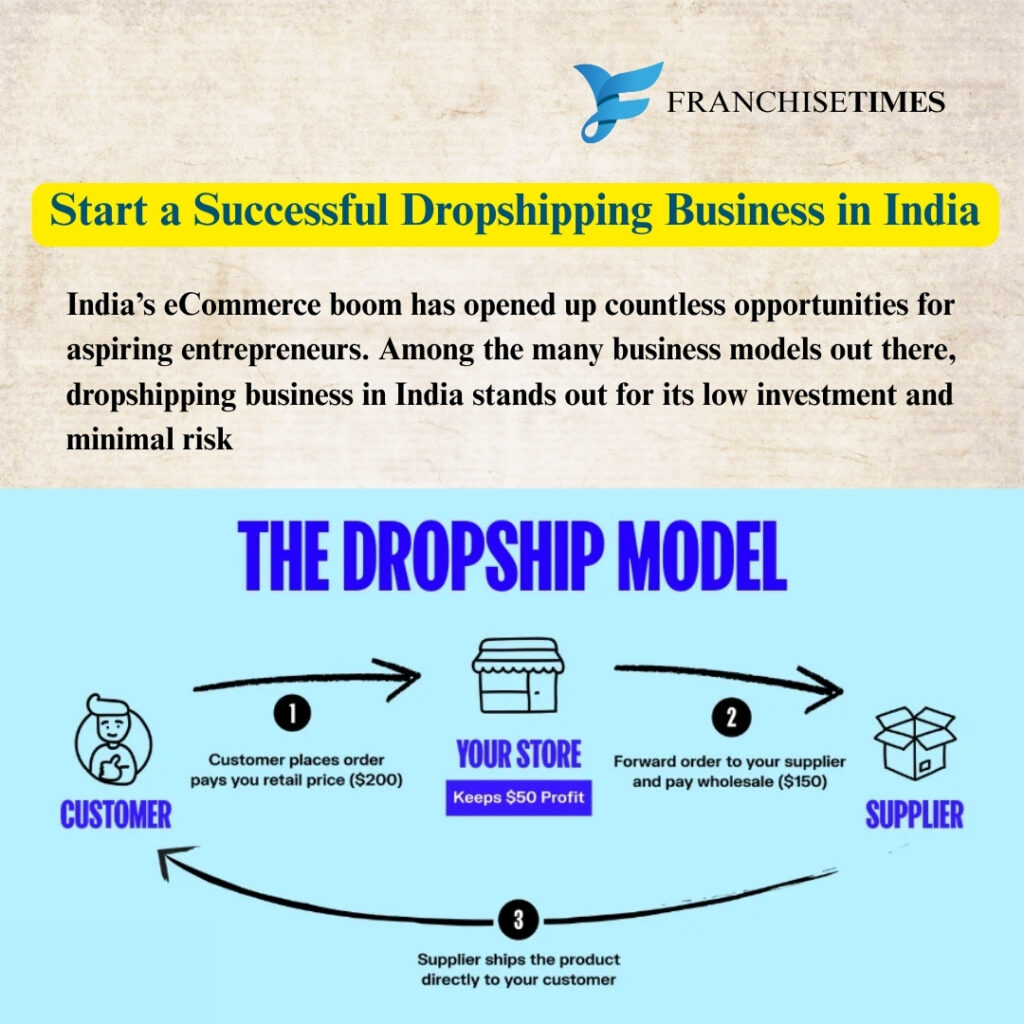
Dropshipping is an e-commerce model where you sell products online without keeping inventory. When a customer places an order on your store, you forward the order to a supplier, and the supplier ships it directly to the customer.
Here is the simple flow:
- You list a product on your website or marketplace.
- A customer places an order and pays you.
- You pay the supplier’s wholesale price.
- The supplier ships the product to the customer.
- You keep the difference as profit.
For example, if you sell a kitchen organizer for ₹999 and your supplier charges ₹550 including shipping, your gross margin is ₹449. But remember: ads, payment gateway fees, returns, GST, and packaging issues can reduce that profit.
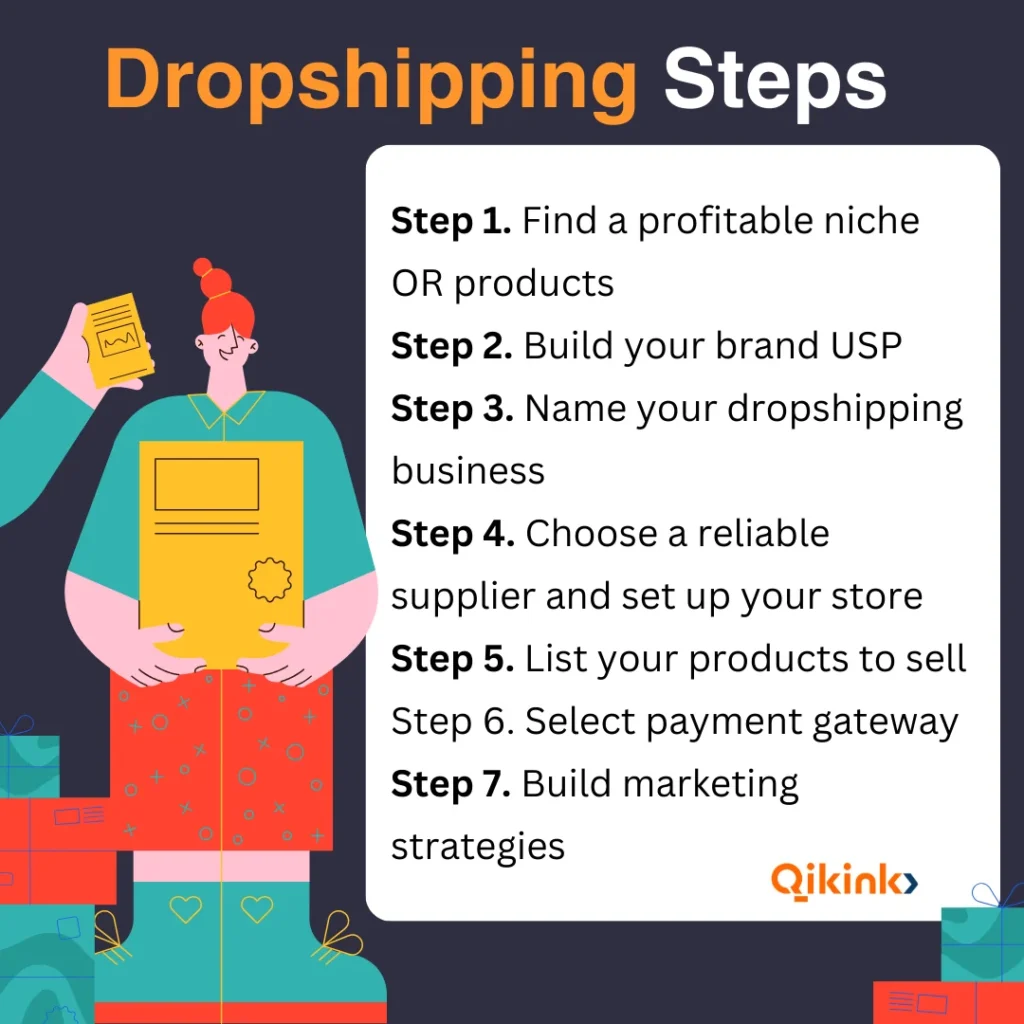
How to Start Dropshipping in India: 7 Practical Steps
1. Choose a Profitable Niche
Your niche decides almost everything: product selection, ad costs, customer type, return rate, and profit margin. Avoid choosing random trending products just because you saw them on Instagram or Reddit.
Good dropshipping niches in India include:
- Home improvement and organizers
- Pet accessories
- Fitness and yoga accessories
- Beauty tools and grooming products
- Mobile accessories
- Baby and parenting products
- Eco-friendly daily-use products
A strong product should solve a clear problem, be easy to ship, have low return risk, and not be easily available at a much cheaper price offline. If you are targeting mobile accessories, check our guide on smartphone buying trends to understand what Indian users are already spending on.
2. Validate Demand Before Building a Store
Before you spend money on a website, test demand. Search your product on Amazon, Flipkart, Meesho, Instagram, YouTube Shorts, and Google Trends. If people are already buying similar products, that is a good sign.
Look for:
- Products with many reviews but weak branding
- Common complaints you can improve in your offer
- Price gaps between supplier cost and selling price
- Products that can be demonstrated in short videos
Do not try to create demand from zero as a beginner. It is easier to enter a market where customers already understand the product.
3. Find Reliable Dropshipping Suppliers in India
Your supplier can make or break your business. A cheap supplier with slow delivery, poor packaging, or fake stock updates will damage your brand quickly.
Popular ways to find dropshipping suppliers in India include:
- Indian B2B platforms like IndiaMART and TradeIndia
- Local manufacturers and wholesalers
- Print-on-demand suppliers for custom products
- Domestic dropshipping platforms
- Global suppliers with India shipping, if delivery timelines are acceptable
Before working with any supplier, order a sample yourself. Check delivery time, packaging, product quality, invoice format, and return policy. Never sell a product you have not personally tested.
4. Get GSTIN and Handle Basic Compliance
To operate a dropshipping business in India, you will generally need a GSTIN, especially if you sell through e-commerce platforms or need proper tax invoices. GST registration helps you work professionally with suppliers, payment gateways, and marketplaces.
You may also need:
- PAN card
- Current bank account
- Business address proof
- GST registration
- Basic bookkeeping system
If you are unsure about GST, invoicing, or tax filing, speak to a CA. For budgeting and cash-flow basics, read our guide on small business finance.
5. Set Up Your Online Store
You have three main options: your own website, marketplaces, or social commerce. Beginners often start with Instagram and WhatsApp, but a proper store builds more trust and makes payments easier.
| Platform | Best For | Downside |
|---|---|---|
| Shopify (check current price on Amazon) | Fast setup, clean design, beginner-friendly | Monthly cost and app fees |
| WooCommerce (check current price on Amazon) | Lower long-term cost and more control | Needs hosting and setup effort |
| Marketplaces | Existing traffic and trust | High competition and strict rules |
| Instagram/WhatsApp | Testing products for free or cheap | Harder to scale and track |
6. Add Payments, Shipping, and Customer Support
For Indian customers, offer payment options they already trust: UPI, cards, net banking, wallets, and cash on delivery if your supplier supports it. COD can increase orders, but it also increases fake orders and returns.
Useful tools and basics include:
- Payment gateway such as Razorpay, Cashfree, or PayU
- Order tracking page
- WhatsApp Business for support (check current price on Amazon)
- Google Sheets for order tracking
- Email and SMS updates
Good customer support is a competitive advantage. Reply fast, give clear delivery timelines, and do not hide return policies.
7. Market Your Store Without Burning Money
Marketing is where many beginners lose money. Do not start with ₹20,000 ad spend on an untested product. Start small, test creatives, and track every order.
Best marketing channels for dropshipping in India:
- Instagram Reels and YouTube Shorts for product demos
- Meta ads for impulse-buy products
- Google Shopping ads for high-intent searches
- Influencer shoutouts with small creators
- SEO blogs for long-term traffic
- WhatsApp remarketing for abandoned carts
You can also use automation tools to speed up product research, ad testing, and content planning. See our list of useful business automation tools if you want to save time while running your store from home.
How Much Money Is Required to Start Dropshipping in India?
You can technically start dropshipping in India for free using Instagram, WhatsApp, free design tools, and manual supplier coordination. But that is more of a test, not a scalable business.
A realistic beginner budget looks like this:
- Domain: ₹700–₹1,200 per year
- Store platform or hosting: ₹500–₹3,000 per month
- GST and basic setup: varies by professional help
- Product samples: ₹1,000–₹5,000
- Initial ads: ₹5,000–₹25,000
- Design/tools/miscellaneous: ₹1,000–₹5,000
Practical answer: Start testing with ₹5,000–₹10,000 if you are doing everything manually. For a proper store with ads, keep ₹25,000–₹50,000 ready.
Is Dropshipping Profitable in India?
Yes, dropshipping can be profitable in India, but it is not easy money. Profit depends on your product margin, ad cost, return rate, supplier reliability, and customer experience.
Healthy dropshipping economics usually need:
- Gross margin of at least 30%–50%
- Low return and cancellation rate
- Fast delivery, ideally 3–7 days
- Clear product videos and honest descriptions
- Repeat purchase or upsell potential
If your product sells for ₹999 and your total cost after supplier, shipping, ads, payment fees, and returns is ₹930, you are not running a business — you are buying experience. Track numbers from day one.
FAQ
How to start dropshipping in India without investment?
Start by testing products on Instagram, WhatsApp, and free social media pages. Take orders manually and coordinate with suppliers. However, you may still need money for samples, GST help, packaging checks, or basic marketing.
Can I start dropshipping in India for free?
You can test for free, but scaling is rarely free. A real store usually needs a domain, platform, ads, product samples, and compliance costs.
Do I need GST for dropshipping in India?
In most practical cases, yes. GSTIN is commonly required for e-commerce selling, supplier invoices, and payment gateway verification. Speak with a CA for your exact situation.
Which are the best dropshipping suppliers in India?
There is no single best supplier for everyone. Start with IndiaMART, TradeIndia, local wholesalers, niche manufacturers, and domestic dropshipping platforms. Always order samples before selling.
Can I do dropshipping from home in India?
Yes. You can run the entire business from home with a laptop, smartphone, internet connection, supplier contacts, payment gateway, and customer support system.
Final Verdict: The Smartest Way to Start
If you want to start dropshipping in India, do not begin with a fancy website or huge ad budget. Begin with one niche, three tested products, one reliable supplier, and a small marketing budget.
The best beginner path is simple: validate demand on social media, order samples, register properly, build a clean store, and scale only when your numbers prove the product works. Dropshipping in India is profitable for disciplined sellers — not for people looking for overnight income.
“The best beginner path is simple: validate demand on social media, order samples, register properly, build a clean store, and scale only when your numbers prove the product works.”
Recommended Productivity Gear
*Affiliate link — we may earn a small commission at no extra cost to you.