Here’s the surprising part: aging isn’t just about wrinkles, gray hair, or “slowing down.” A big piece of the story may involve senescent cells—often called “zombie cells”—that stop working properly but refuse to leave.
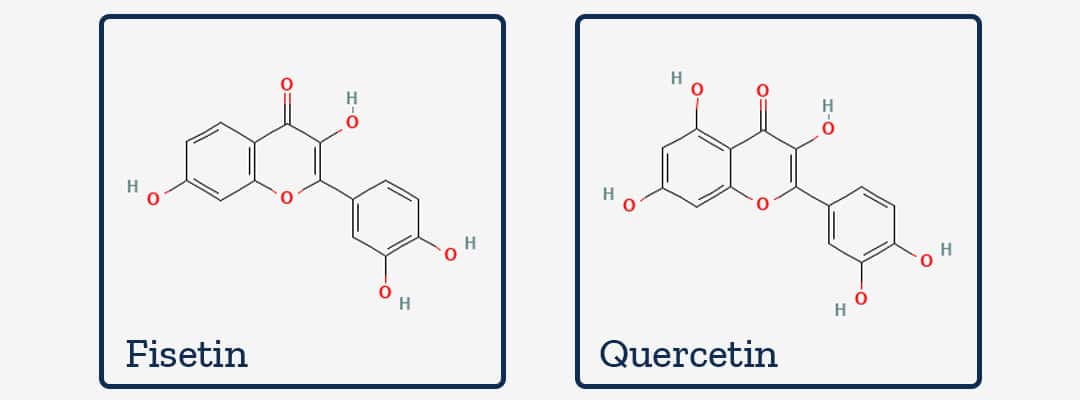
That’s where senolytics like fisetin and quercetin come in. Both are plant compounds with impressive health potential, but they are not the same tool for the same job.
What Are Zombie Cells?
Zombie cells are senescent cells—cells that have stopped dividing but don’t die off like they should. In small amounts, senescent cells are useful. They help with wound healing, tissue repair, and cancer protection.
The problem starts when too many of them build up over time.
As these cells linger, they release inflammatory chemicals known as the senescence-associated secretory phenotype, or SASP. That may contribute to:
- Chronic low-grade inflammation
- Joint stiffness and tissue aging
- Metabolic problems
- Reduced immune function
- Age-related disease risk
Think of zombie cells like bad tenants in a building. They’re not doing their job, they’re taking up space, and they’re making the neighborhood worse for everyone else.
What Are Senolytics?
Senolytics are compounds that may help the body selectively clear senescent cells. Instead of simply reducing oxidative stress or calming inflammation, senolytics aim to remove some of the dysfunctional cells driving those problems in the first place.
This is why longevity researchers are so interested in compounds like:
- Fisetin
- Quercetin
- Curcumin
- Dasatinib plus quercetin, a drug-nutrient combination used in research settings
But here’s the key: senolytics are not a one-size-fits-all anti-aging shortcut. Research is still developing, and what works in mice may not translate perfectly to healthy humans.
Fisetin vs Quercetin: The Big Difference
Fisetin and quercetin are both flavonoids found in plants. Both have antioxidant and anti-inflammatory effects. But when people ask about clearing zombie cells, fisetin usually gets more attention for one reason: it has shown stronger senolytic activity in preclinical studies.
| Category | Fisetin | Quercetin |
|---|---|---|
| Best known for | Senolytic potential and healthy aging research | Antioxidant, anti-inflammatory, immune, and vascular support |
| Senolytic strength | Stronger evidence as a standalone senolytic in animal studies | Weaker alone; often studied with dasatinib |
| Food sources | Strawberries, apples, persimmons, onions | Onions, capers, apples, berries, tea |
| Main appeal | Clearing senescent cells | Reducing oxidative stress and inflammation |
| Human evidence | Promising but still limited | Broader general health evidence, limited senolytic proof alone |
Fisetin: The Senolytic Specialist
If your main interest is “what helps clear zombie cells?” then fisetin is the more targeted option.
In animal studies, fisetin has been shown to reduce senescent cell burden and improve markers related to healthspan. Researchers have studied fisetin for age-related inflammation, frailty, tissue function, and longevity pathways.
That doesn’t mean fisetin is magic. It means it has become one of the most interesting natural senolytics currently being studied.
Potential Benefits of Fisetin
- May help clear senescent cells
- Supports healthy inflammatory response
- Acts as an antioxidant
- May support brain and metabolic health
- May promote healthier aging pathways
For people looking at senolytics specifically, a high-quality fisetin supplement is often the first product they consider. Look for third-party testing and clear dosing on the label: Fisetin supplement [AMAZON_LINK].
Quercetin: The Antioxidant and Inflammation Fighter
Quercetin is no slouch. It’s one of the most researched flavonoids and is found in many everyday foods, especially onions, apples, berries, and capers.
Its biggest strengths are not necessarily “zombie cell cleanup” by itself. Quercetin is better known for:
- Antioxidant support
- Healthy immune response
- Cardiovascular support
- Histamine and allergy-related support
- Inflammation balance
Quercetin does show some senolytic potential, but much of the excitement comes from research using dasatinib plus quercetin, not quercetin alone. Dasatinib is a prescription drug used in specific medical contexts, so this is not something to casually experiment with.
If your goal is general inflammation, immune, or antioxidant support, quercetin may be a smart addition: Quercetin supplement [AMAZON_LINK].
Can You Take Fisetin and Quercetin Together?
Many longevity enthusiasts ask about taking fisetin and quercetin together. The logic makes sense: fisetin may offer stronger senolytic action, while quercetin may support antioxidant and inflammatory balance.
However, stacking supplements is not automatically better. Both compounds can affect biological pathways, and quercetin may interact with certain medications, including blood thinners, antibiotics, and drugs processed by the liver.
If you’re considering using both, especially at higher doses, the safest approach is:
- Talk with a healthcare professional first, especially if you take medications.
- Start with one compound at a time so you can track how you feel.
- Choose third-party tested products.
- Avoid daily megadosing unless medically supervised.
- Pay attention to digestive upset, headaches, bruising, or unusual fatigue.
Fisetin Dosage for Senolytic Effects
This is the big question: what is the right fisetin dosage for longevity or senolytic effects?
Here’s the honest answer: there is no officially approved fisetin dosage for clearing zombie cells in humans. Human research is still early, and many protocols are based on clinical trials, animal studies, or longevity-clinic practices—not universal medical guidelines.
Some human studies have explored intermittent higher-dose fisetin protocols, often around 20 mg per kg of body weight per day for two consecutive days, sometimes repeated periodically. But that does not mean everyone should copy that plan.
For general supplement use, many over-the-counter fisetin products provide much lower daily amounts, often in the range of 100 mg to 500 mg per serving. These are not guaranteed senolytic doses, but they may still offer antioxidant and healthy-aging support.
Important: higher-dose senolytic protocols should be discussed with a clinician, particularly if you are pregnant, undergoing cancer treatment, taking prescription medication, or managing kidney, liver, or bleeding disorders.
Foods That May Help Fight Zombie Cells
You don’t have to start with supplements. A smart longevity plan begins with food, because whole foods provide multiple compounds that support detoxification, inflammation control, mitochondrial health, and cellular cleanup.
Foods Rich in Fisetin
- Strawberries
- Apples
- Persimmons
- Grapes
- Onions
- Cucumbers
Foods Rich in Quercetin
- Red onions
- Capers
- Apples with skin
- Berries
- Green tea
- Kale and leafy greens
Do these foods “kill zombie cells” dramatically? Probably not at normal serving sizes. But they help create the internal environment your body needs for healthy aging: less inflammation, better antioxidant defense, and stronger cellular maintenance.
Who Should Be Careful With Senolytics?
Senolytics may be promising, but they are not something everyone needs to jump into. In fact, senescent cells are not always bad. They play roles in wound healing, tissue repair, and tumor suppression.
You should be extra cautious with fisetin, quercetin, or aggressive senolytic protocols if you:
- Take blood thinners or antiplatelet medication
- Are on chemotherapy or immune-suppressing drugs
- Have liver or kidney disease
- Are pregnant or breastfeeding
- Have upcoming surgery
- Are frail, underweight, or dealing with active illness
Senolytics may eventually become a powerful tool for healthy aging, but they should be used thoughtfully—not as a trendy biohacking experiment.
So Which Is Better: Fisetin or Quercetin?
If your main goal is senolytic activity and clearing zombie cells, fisetin is the better bet based on current evidence.
If your main goal is daily antioxidant, immune, allergy, or inflammation support, quercetin may be more practical and better studied for general wellness.
For many people, the smartest strategy looks like this:
- Eat more fisetin- and quercetin-rich foods consistently.
- Use quercetin for broader inflammation and antioxidant support if needed.
- Consider fisetin if you are specifically interested in senolytic-style healthy aging support.
- Use higher-dose protocols only with medical guidance.
FAQ
What is the best fisetin dosage for senolytic effects?
There is no officially approved dose. Some studies have used intermittent higher-dose approaches, such as 20 mg/kg/day for two days, but this should not be treated as a universal recommendation. Talk with a healthcare professional before trying high-dose fisetin.
Does quercetin kill zombie cells?
Quercetin may have some senolytic activity, but it appears less powerful as a standalone option than fisetin. Much of the senolytic research involving quercetin uses it with dasatinib, a prescription medication.
Can I get enough fisetin from strawberries?
Strawberries are one of the best food sources of fisetin, but food amounts are much lower than supplement doses used in research. Still, eating strawberries and other colorful plants is a smart healthy-aging habit.
Is it safe to take fisetin and quercetin together?
Some people combine them, but safety depends on your health status, medications, and dose. Because both compounds can interact with biological pathways and medications, it’s best to check with a clinician first.
What is the best supplement for clearing zombie cells?
Based on current natural compound research, fisetin is the leading option for senolytic support. Choose a reputable, third-party tested fisetin product and avoid extreme dosing without supervision: Fisetin supplement [AMAZON_LINK].
Recommendation: If you want the most targeted natural senolytic, choose fisetin. If you want broader antioxidant and inflammation support, choose quercetin. For the strongest healthy-aging foundation, start with colorful plant foods, resistance training, good sleep, and then consider supplements as an add-on—not the whole plan.