Two people can follow the same diet, take a GLP-1 medication, and see totally different results. That is why the “best” choice between Wegovy and Zepbound is not just about pounds lost — it is about your biology, side effects, insurance, access, and long-term metabolic health.
If you are comparing Wegovy vs Zepbound in 2026, here is the practical, no-fluff guide to what actually matters before you start, switch, or ask your provider about either medication.
Wegovy vs Zepbound: What Are They?
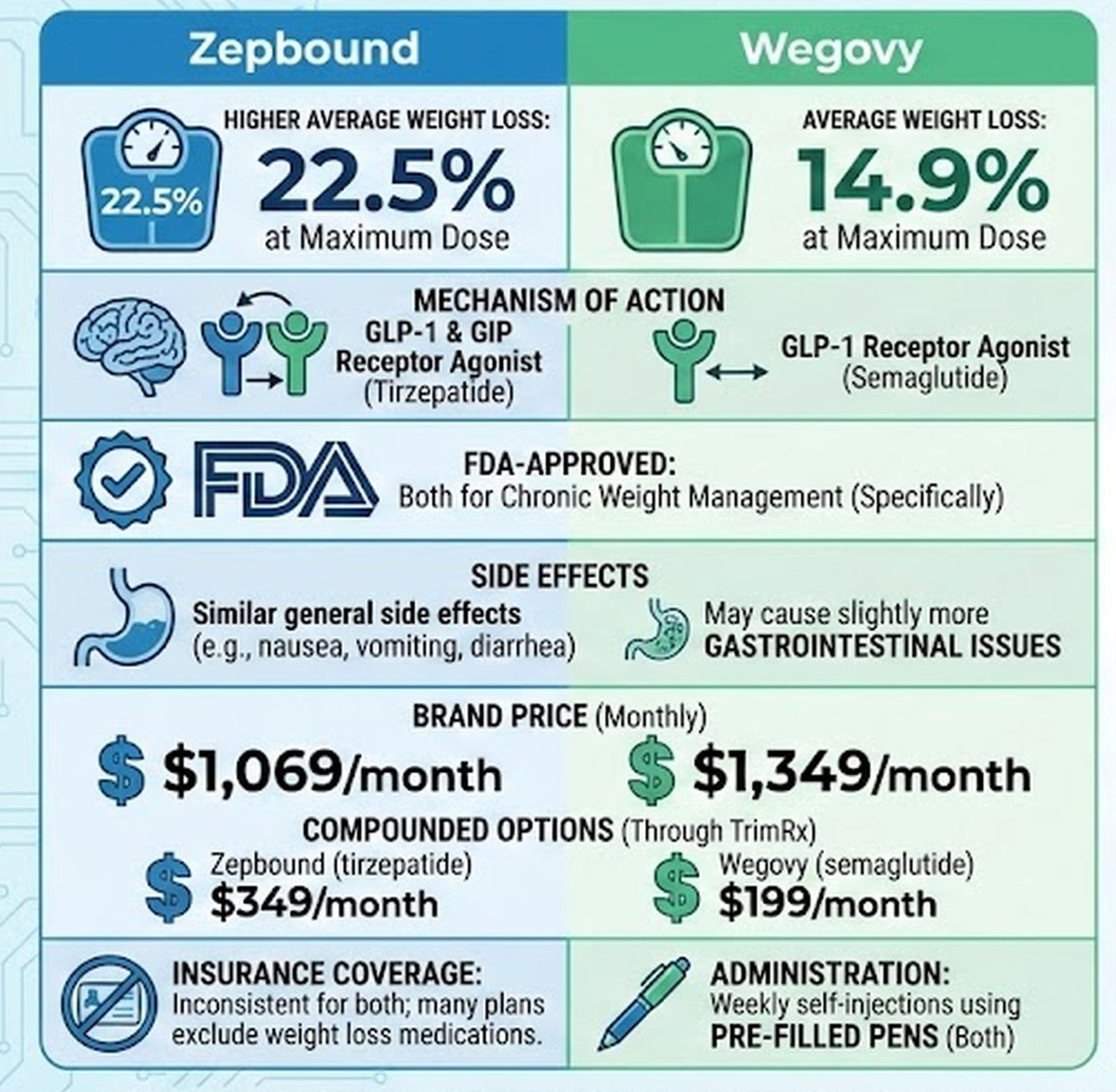
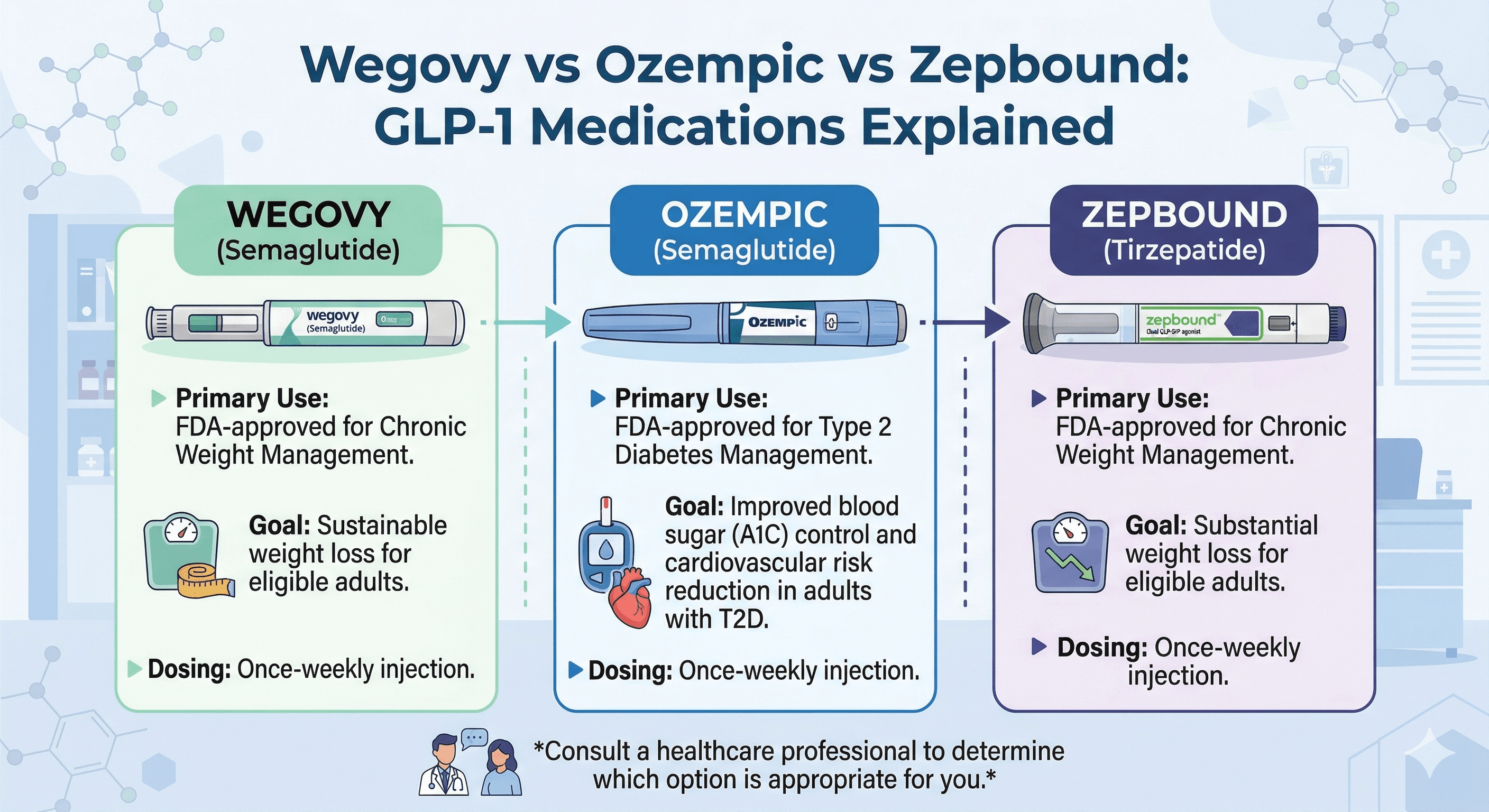
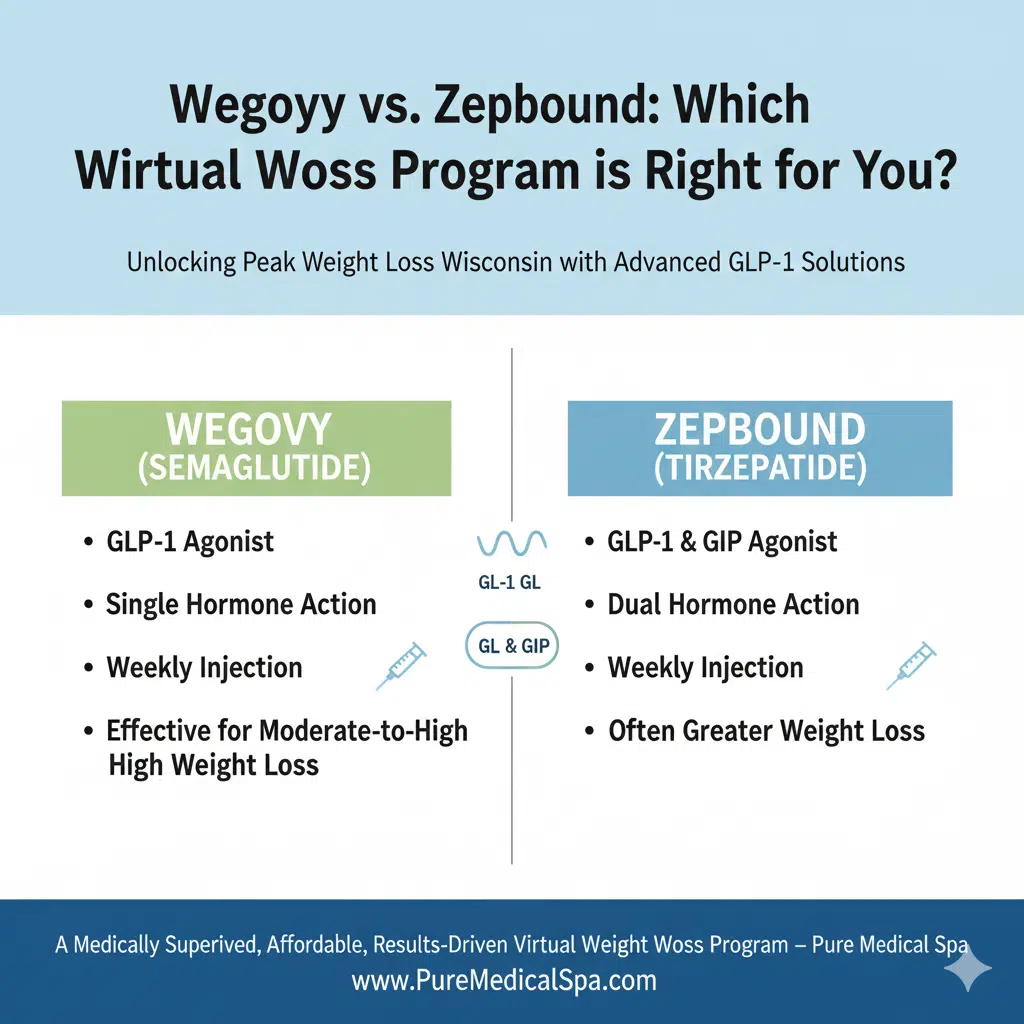
Wegovy is the brand name for semaglutide, a once-weekly injectable medication approved for chronic weight management. It works mainly by activating the GLP-1 receptor, which helps regulate appetite, fullness, blood sugar, and gastric emptying.
Zepbound is the brand name for tirzepatide, also a once-weekly injectable medication for chronic weight management. Tirzepatide activates both GLP-1 and GIP receptors. That dual action is one reason many experts believe Zepbound may produce stronger average weight loss results.
Both medications are used alongside lifestyle changes, including nutrition, movement, sleep, and behavior support. They are not “quick fixes,” but for many people with obesity or weight-related metabolic issues, they can be powerful tools.
The Big Difference: GLP-1 vs GLP-1 + GIP
The easiest way to understand the difference is this:
- Wegovy = GLP-1 receptor agonist
- Zepbound = dual GIP/GLP-1 receptor agonist
GLP-1 medications help many people feel full sooner, experience fewer food cravings, and improve glucose regulation. GIP is another hormone involved in insulin response, fat metabolism, and energy balance. By targeting both, Zepbound may affect more metabolic pathways than Wegovy.
That does not automatically mean Zepbound is better for everyone. Some people respond beautifully to Wegovy. Others lose more weight with Zepbound but struggle with side effects. The “winner” depends on the person.
Effectiveness: Which Leads to More Weight Loss?
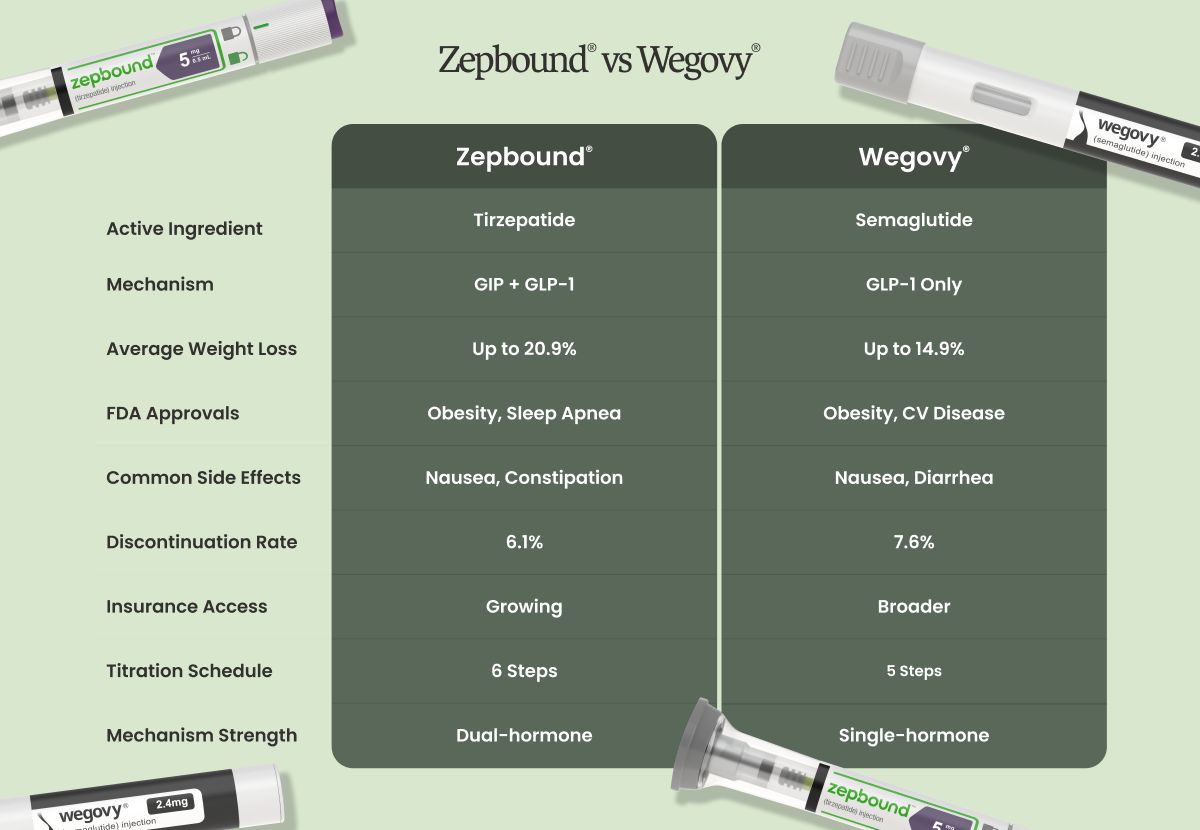
On average, Zepbound has produced larger weight loss percentages than Wegovy in major clinical trials. Many patients on higher-dose tirzepatide have lost around 20% or more of their body weight, while semaglutide users often average closer to the mid-teens percentage range.
That said, averages can be misleading. In real life, results vary based on:
- Starting weight and metabolic health
- Dose reached and how long you stay on it
- Side effect tolerance
- Protein intake and resistance training
- Sleep, stress, and alcohol intake
- Consistency with follow-up care
For metabolic health, both medications may help improve markers such as waist circumference, blood sugar, insulin resistance, blood pressure, triglycerides, and fatty liver risk. Wegovy also has strong cardiovascular outcomes data in certain high-risk adults, which may make it especially attractive for people with established heart disease or elevated cardiovascular risk.
Wegovy vs Zepbound Comparison Table
| Category | Wegovy | Zepbound |
|---|---|---|
| Active ingredient | Semaglutide | Tirzepatide |
| Mechanism | Targets GLP-1 | Targets GLP-1 and GIP |
| Dosing | Once-weekly injection | Once-weekly injection |
| Average weight loss | Often around mid-teens percentage range | Often higher, sometimes 20%+ in studies |
| Common side effects | Nausea, vomiting, diarrhea, constipation, reflux | Nausea, vomiting, diarrhea, constipation, reflux |
| Potential advantage | Strong GLP-1 track record and cardiovascular data | Greater average weight loss in many studies |
| Best fit may be | People prioritizing established GLP-1 outcomes data or better semaglutide coverage | People seeking maximum weight loss response, if tolerated and covered |
Side Effects: Are They Different?
The side effect profiles are similar because both affect gut hormones and appetite regulation. The most common issues include:
- Nausea
- Constipation
- Diarrhea
- Vomiting
- Heartburn or reflux
- Reduced appetite
- Fatigue, especially during dose increases
Most side effects are mild to moderate and often improve over time, especially when the dose is increased slowly. But some people do not tolerate these medications well. More serious but less common risks can include gallbladder problems, pancreatitis, dehydration from vomiting, and worsening kidney function in people who become severely dehydrated.
These medications are generally not recommended for people with a personal or family history of medullary thyroid carcinoma or Multiple Endocrine Neoplasia syndrome type 2. Always review your medical history with a qualified clinician.
Dosing: What to Expect When You Start
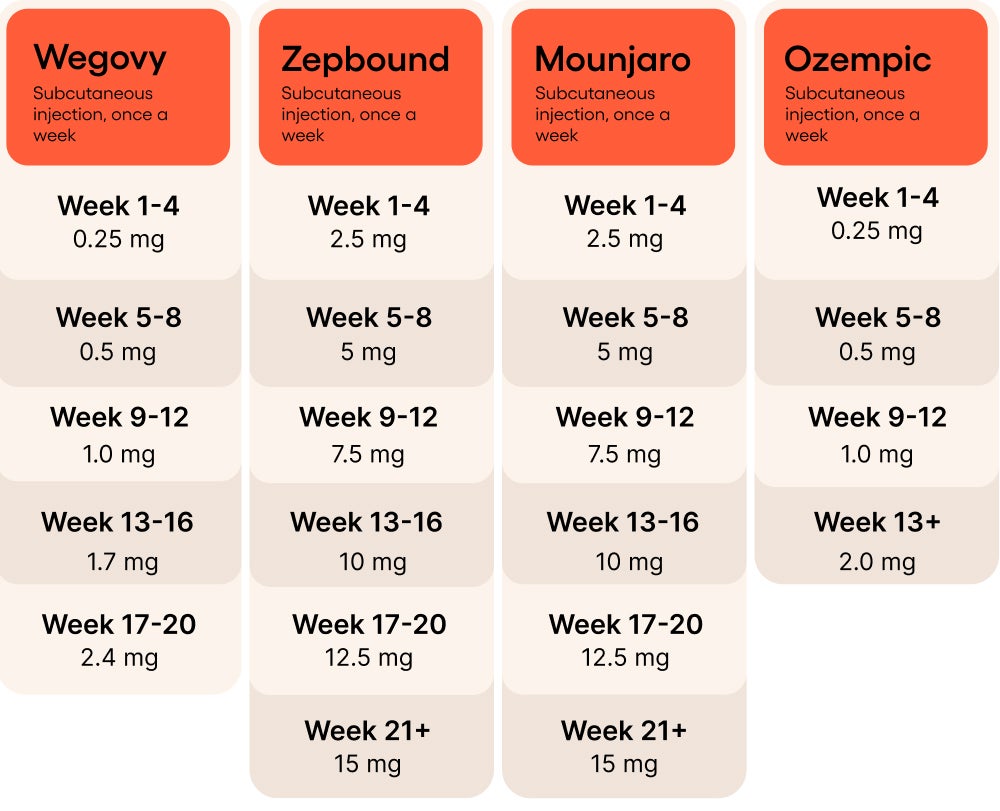
Both Wegovy and Zepbound are usually started at a low dose and increased gradually. This “step-up” approach helps your body adjust and reduces the chance of rough digestive side effects.
A typical experience looks like this:
- Start low: Your provider begins with the lowest dose.
- Increase slowly: The dose is raised every few weeks if you tolerate it.
- Monitor response: Weight, appetite, side effects, blood pressure, glucose, and labs may be tracked.
- Find your effective dose: Not everyone needs the highest dose to see benefits.
One important point: more medication is not always better. If you are losing steadily and tolerating a lower or middle dose, your provider may decide to stay there longer.
Insurance and Cost in 2026: The Real Deciding Factor
For many people, the best medication is the one they can actually access consistently. GLP-1 coverage has been changing quickly, and in 2026 it can vary dramatically depending on your employer plan, diagnosis, state, pharmacy benefit manager, and prior authorization rules.
Common insurance requirements may include:
- A BMI above a specific threshold
- A weight-related condition such as hypertension, sleep apnea, prediabetes, or high cholesterol
- Documentation of previous lifestyle attempts
- Step therapy, meaning you may need to try one option first
- Ongoing weight loss benchmarks to continue coverage
If one medication is denied, the other may still be approved. Some plans prefer Wegovy; others prefer Zepbound. Manufacturer savings programs may help eligible commercially insured patients, but they often exclude government insurance programs and can change over time.
Access and Shortages: Can You Actually Get It?
Availability has improved compared with earlier GLP-1 shortage periods, but access can still be inconsistent. Higher demand, dose-specific supply issues, and pharmacy stocking limits may affect both medications.
Before choosing, ask your provider or pharmacy:
- Which starter doses are currently available?
- Can the pharmacy reliably order refills?
- What happens if your dose is out of stock?
- Is switching medication an option if supply becomes an issue?
Consistency matters. Starting and stopping repeatedly can make side effects worse and may interfere with long-term progress.
What About New GLP-1 Drugs Coming After Wegovy and Zepbound?
The next wave of metabolic medications is already getting attention. Two major names to watch are CagriSema and retatrutide.
CagriSema combines semaglutide with cagrilintide, an amylin analog that may further increase fullness and improve weight loss. Retatrutide is being studied as a triple-hormone receptor agonist targeting GLP-1, GIP, and glucagon pathways. Early research suggests these next-generation drugs may be even more powerful than today’s options.
However, “newer” does not automatically mean safer, affordable, or available. In 2026, Wegovy and Zepbound remain the more established choices for most patients actively seeking treatment.
How to Decide: Wegovy or Zepbound?
Here is a simple decision framework to discuss with your healthcare provider:
- Choose Zepbound if your main goal is maximum average weight loss and your insurance covers it.
- Choose Wegovy if you want a well-established GLP-1 option, especially if cardiovascular risk data is a priority.
- Consider tolerability if you have a sensitive stomach, reflux, constipation, or previous GLP-1 side effects.
- Consider coverage first if cost could interrupt treatment.
- Consider long-term maintenance, not just the first 3 months of weight loss.
The best medication is the one that helps you improve your health, maintain muscle, eat enough protein, stay hydrated, and keep going without feeling miserable.
FAQ: Wegovy vs Zepbound
Is Zepbound stronger than Wegovy?
On average, yes. Zepbound has shown greater weight loss in many studies, likely because it targets both GLP-1 and GIP. But individual results vary, and some people do better on Wegovy.
Can I switch from Wegovy to Zepbound?
Many people can switch, but it should be done with medical supervision. Your provider will consider your current dose, side effects, weight loss response, insurance coverage, and whether you need a washout period or lower starting dose.
Do you regain weight after stopping Wegovy or Zepbound?
Many people regain some weight after stopping because appetite signals and metabolic drivers can return. Long-term treatment, nutrition habits, strength training, and maintenance planning are key.
Which is better for prediabetes or insulin resistance?
Both may help improve blood sugar and insulin resistance. Zepbound may produce stronger weight loss, which can further improve metabolic markers, while Wegovy has robust GLP-1 data and cardiovascular outcomes evidence in certain populations.
Are Wegovy and Zepbound safe long term?
They are intended for chronic weight management, but long-term safety should be monitored by a clinician. Regular follow-up helps track side effects, labs, nutrition status, and whether the medication still makes sense for you.
The Clear Recommendation
If your priority is the greatest average weight loss and you can access it affordably, Zepbound is often the stronger choice in 2026. If you want a highly established GLP-1 medication with meaningful metabolic and cardiovascular data, or if your plan covers it more reliably, Wegovy remains an excellent option.
The smartest move is not picking the trendiest drug — it is choosing the medication you can tolerate, afford, and stay on long enough to improve your metabolic health for real.