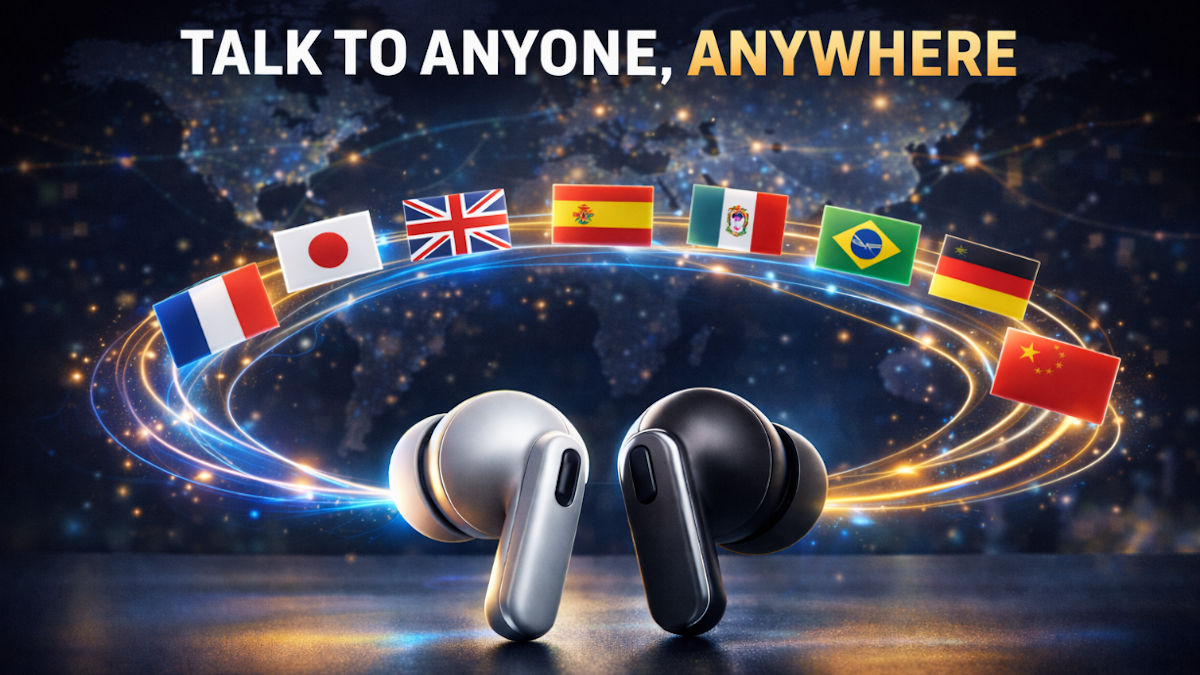
You can now have a conversation with someone who speaks another language without awkward pauses, frantic typing, or passing your phone back and forth. But here’s the catch: not every translation tool feels natural in real life. In 2026, the big question isn’t “Can technology translate?” — it’s “Which tool should you trust when the conversation actually matters?”
Real-Time Translation Earbuds vs Smartphone Apps: What’s the Real Difference?
Both translator earbuds and smartphone apps are designed to solve the same problem: helping people understand each other across languages. But they do it in very different ways.
Smartphone apps usually require you to open an app, choose languages, tap a microphone, speak, wait, and then show or play the translation. They’re excellent for short exchanges, travel basics, reading menus, and translating written text.
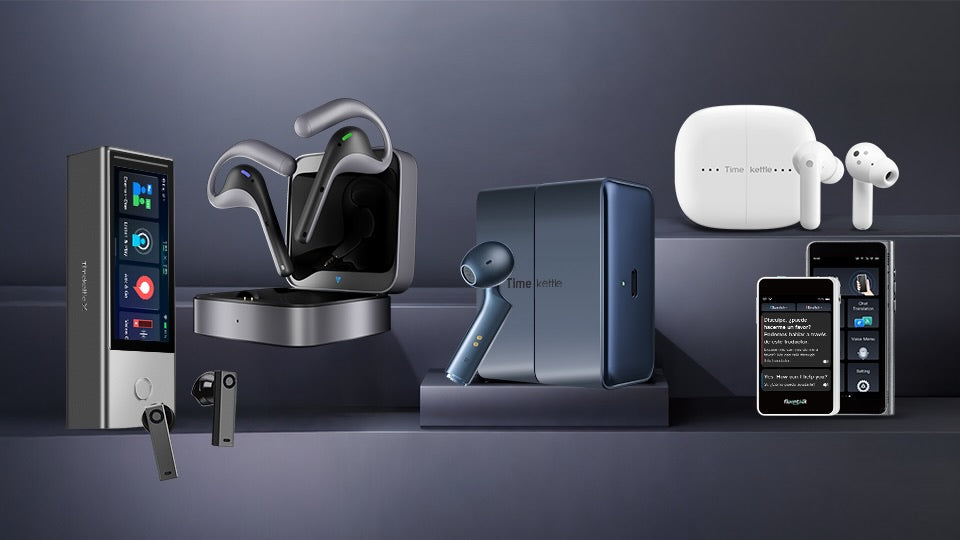
Translation earbuds, on the other hand, are built for live conversations. You wear them, the other person may wear one too, and the translation plays directly into your ear. Some models support dozens of languages and advertise very low delay times, sometimes around half a second depending on connection, language pair, and environment.
So, are earbuds the end of language barriers in 2026? For natural conversation, they’re the closest thing we’ve had so far. But phone apps still have a strong place.
1. Accuracy: Which One Translates Better?
Accuracy depends on three things: the language pair, background noise, and how clearly people speak. In perfect conditions, both modern earbuds and phone apps can be impressively accurate for common languages like Spanish, French, German, Mandarin, Japanese, and English.
However, there are differences:
- Smartphone apps are often better for text, signs, menus, and written translation.
- Earbuds are better for spoken back-and-forth conversation.
- Apps may win when you need to double-check a sentence visually.
- Earbuds may win when you want to keep eye contact and avoid interrupting the flow.
If you’re translating legal, medical, or highly technical information, don’t rely blindly on either. For everyday conversation, travel, meetings, and social situations, both can work well — but earbuds feel more human.
2. Convenience: Hands-Free vs Phone-in-Hand
This is where translation earbuds really shine.
With a phone app, you usually need to:
- Unlock your phone.
- Open the translation app.
- Select the correct languages.
- Tap to speak or listen.
- Show or play the result.
That’s fine at a hotel desk or restaurant. But during a fast conversation, it can feel clunky.
With earbuds, the experience is more natural. You can listen while the other person speaks, respond faster, and keep your hands free. This matters more than people realize. Real conversation is about rhythm — pauses, facial expressions, reactions, and timing. When you’re constantly looking down at your phone, that rhythm breaks.
3. Cost: Free Apps vs Premium Earbuds
If your budget is tight, smartphone apps are the obvious winner. Many are free or have generous free versions. Google Translate, Microsoft Translator, and other popular apps can handle speech, text, camera translation, and offline language packs in some cases.
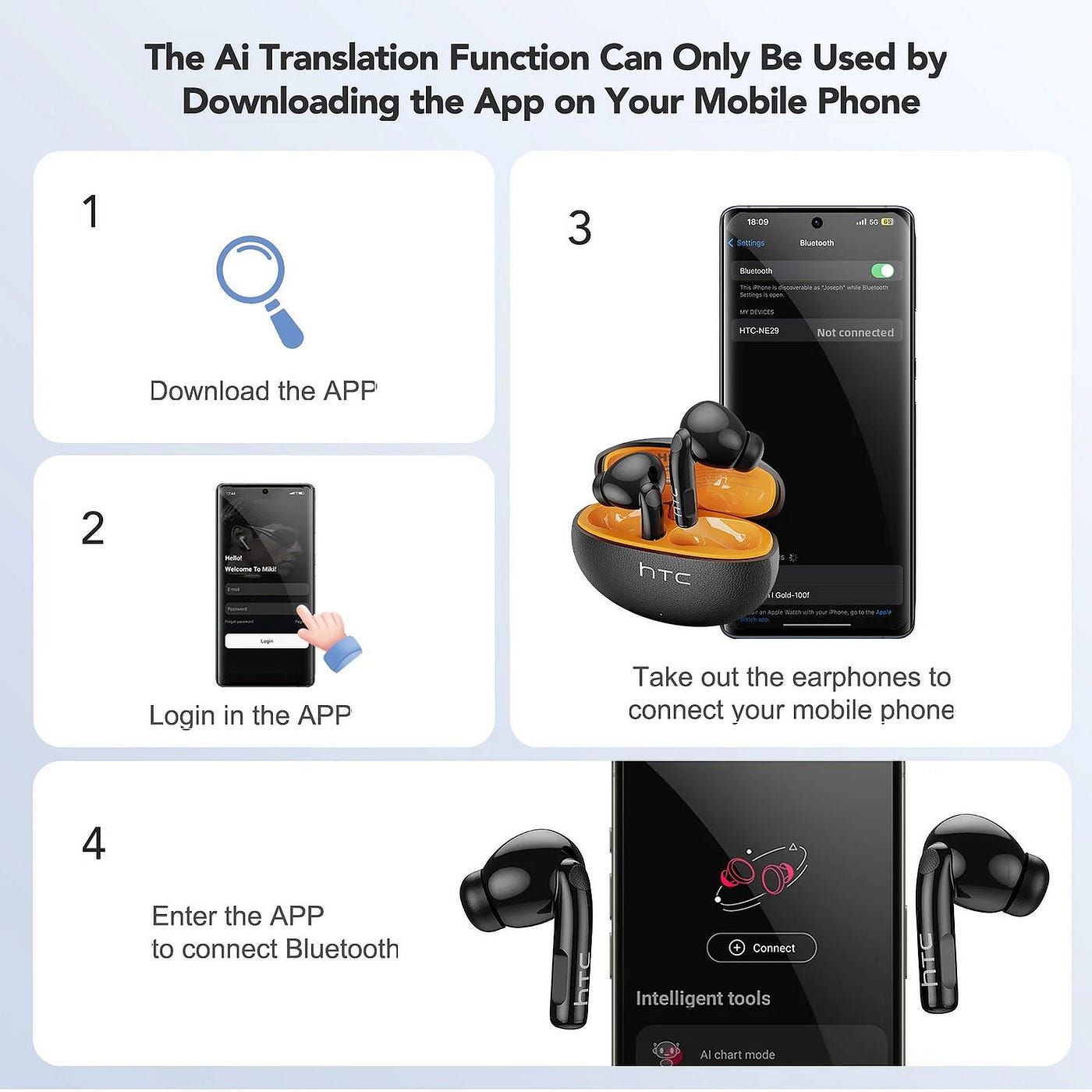
Translation earbuds, however, are a hardware purchase. Depending on the model, you may pay anywhere from budget-friendly pricing to several hundred dollars. Some also require an app for setup, language selection, or advanced modes.
| Feature | Translation Earbuds | Smartphone Apps |
|---|---|---|
| Best for | Live conversations, travel, meetings | Text, signs, menus, quick phrases |
| Cost | Usually paid hardware | Often free or low-cost |
| Convenience | Hands-free and more natural | Requires phone interaction |
| Conversation flow | Stronger for continuous dialogue | Better for short exchanges |
| Offline use | Depends on model | Available in some apps |
| Best value | Frequent travelers or business users | Casual users and budget travelers |
If you only travel once a year, a free app may be enough. If you regularly speak with people in different languages, earbuds can justify the cost quickly.
4. Real-Life Use Cases: Which Should You Choose?
For Travel
If you’re ordering food, asking for directions, reading signs, or checking into a hotel, a smartphone app is usually enough. Camera translation is especially useful for menus, train stations, and product labels.
But if you want to chat with locals, take tours, negotiate at markets, or have longer conversations, translation earbuds feel much smoother.
For Business Meetings
Earbuds are the stronger choice for live meetings because they allow you to stay focused on the person speaking. You’re not constantly passing a phone around or waiting for someone to tap a button.
For documents, email, contracts, and slides, use a text-to-text translation tool or app instead. Spoken conversation and written content are different jobs.
For Language Learning
Apps may be better if you’re actively trying to learn. You can see the translated words, save phrases, replay audio, and compare sentence structure.
Earbuds are better when your priority is communication, not study. They help you understand and respond, but they may not teach you as much visually.
For Android Users Looking for Free Options
If you searched for an “earbud translator app free Android,” here’s the practical answer: most translator earbuds require their companion app, but the earbuds themselves usually aren’t free. If you want a free Android option, start with a phone-based translator app before buying hardware.

5. Speed and Delay: Do Earbuds Translate Instantly?
No tool is truly instant, but the delay is getting shorter. Some modern translator earbuds advertise near real-time translation with delays under a second in ideal conditions. That makes conversation feel much less robotic than older devices.
Still, speed can vary based on:
- Internet connection quality
- Background noise
- Accent and speaking speed
- Language pair
- Whether offline mode is available
For fast, natural interaction, earbuds generally beat phone apps because they reduce the physical steps between hearing and responding.
6. Privacy and Comfort: The Hidden Factors
People often compare accuracy and price, but privacy and comfort matter too.
With smartphone apps, you’re visibly recording or translating, which may make some people uncomfortable. Earbuds can feel more discreet, but they also require trust — especially if you ask someone else to wear one of your earbuds.
Comfort is another factor. If you dislike wearing earbuds for long periods, a phone app may be less annoying. But if you already use wireless earbuds daily, translator earbuds will feel familiar.

7. Best Picks: Who Should Buy What?
Here’s the simple buying advice:
- Choose translation earbuds if you travel often, attend multilingual meetings, work with international clients, or want natural conversation.
- Choose smartphone apps if you need free translation, occasional travel help, text translation, or camera translation.
- Use both if you want the best setup: earbuds for speaking, apps for reading and checking text.
Popular real-time translator earbud options include Timekettle translator earbuds [AMAZON_LINK], especially for users who want a dedicated device for conversations across many languages. For casual use, Google Translate for Android [AMAZON_LINK] and Microsoft Translator [AMAZON_LINK] are still practical starting points.
Are Translation Earbuds the End of Language Barriers in 2026?
They’re not a perfect replacement for human fluency, but they are a major leap forward. The biggest improvement is not just translation quality — it’s conversation flow. When you can speak, listen, and respond without constantly staring at a screen, communication feels more natural.
Smartphone apps are still incredibly useful, especially because they’re cheap, accessible, and versatile. But for face-to-face communication, earbuds are becoming the more powerful choice.
FAQ
Are real-time translation earbuds better than smartphone apps?
For live conversations, yes. Translation earbuds are usually better because they are hands-free and allow more continuous communication. Smartphone apps are better for text, signs, menus, and occasional use.
Can I use translator earbuds without the internet?
Some models offer limited offline translation, but many features work best with an internet connection. Always check the supported offline languages before buying.
What is the best free Android translator app?
For most Android users, a free translation app with voice, text, and camera translation is the best place to start. It’s ideal if you need quick help without buying earbuds.
Do translation earbuds work in noisy places?
They can, but performance may drop in loud restaurants, airports, markets, or streets. For best results, speak clearly and stay close to the person you’re talking with.
Should I buy translator earbuds for travel in 2026?
If you travel often or want real conversations instead of basic phrases, yes. If you only need help with menus and directions, a smartphone app may be enough.
Final recommendation: If you want the most natural real-time conversation experience in 2026, choose translation earbuds. If you want the cheapest and most flexible option, use a smartphone app. For the smartest setup, use both: earbuds for speaking, apps for reading and text translation.